The Ultimate Guide To Fall Gardening
The Ultimate Guide to Fall Gardening
This post is part of my Month by Month Gardening Guide, a monthly gardening checklist series that helps you stay on top of your garden all year long. Each guide walks you through exactly what to do in the garden that month, from planting and pruning to soil care and seasonal maintenance. You can check out each monthly gardening guide here.
When most people think about gardening, they picture warm spring days and summer vegetables. But here’s the secret seasoned gardeners know: fall is one of the best times of year to grow a garden.
Cooler weather, fewer pests, and soil that’s still warm from summer…it’s a perfect little window for planting. Plus, you don’t have to battle scorching sun or weeds growing faster than you can pull them.
In this guide, I’ll walk you through everything you need to know about fall gardening:
- How to plan your fall garden (even if it’s late summer)
- What to plant and when
- How to protect your garden from frost
- The best ways to prep your beds for winter and set yourself up for spring
Let’s get started!

Why Plant a Fall Garden?
A lot of gardeners stop planting once summer winds down. But here’s the thing: fall is actually one of the easiest and most rewarding times to grow a garden, especially if you’re just getting started.
Why Fall Gardening is Amazing
- Cooler temperatures mean happier plants and gardeners. No more watering twice a day or wilting lettuce.
- Fewer pests. Many of the bugs that attacked your summer crops have packed up and left.
- Fast-growing crops. Many cool-season veggies go from seed to harvest in just weeks.
- Soil prep for spring. Even if you don’t grow much, fall is the perfect time to refresh your garden beds.
Is Fall Gardening for Beginner Gardeners?
Yes. Fall is actually an ideal time for new gardeners to jump in. The pace is slower, the weather is kinder, and you can start small without feeling overwhelmed. Even a few rows of greens or a container of herbs can give you fresh harvests before frost hits.
Want help planning out your first fall garden? Check out these posts:

Planning Your Fall Garden
When it comes to fall gardening, timing is everything. The good news? You don’t have to start as early as you think. In fact, most cool season crops thrive when planted in late summer or early fall while the soil is still warm.
Your first step is to figure out how many weeks you have before your average first frost date. Once you know that, you can work backward to decide what you still have time to plant.
Need help finding your frost dates? The Farmer’s Almanac has a search tool, based on your zip code, to help you out! You can find it here.
Prep Your Garden Beds
After a busy summer season, your garden beds might need a little love before planting again. Refresh your soil by pulling spent crops, adding compost, and lightly turning the soil.
If your summer beds are still producing, don’t worry. You can tuck fall crops in wherever there’s space. Or even start small with a container garden if you’re short on room.
Choose What to Grow in a Fall Garden
Cool-season vegetables are the stars of the fall garden. Think leafy greens, root crops, and hardy herbs that can handle a little chill.
But don’t worry if you’re starting late. There are plenty of quick growing crops that can still give you a harvest before frost.
Quick Tip – Keep your first fall garden simple. Pick three to five crops you’ll actually eat and enjoy. It’s better to grow a little and do it well than to overplant and feel overwhelmed. Be sure to check out my post about what to plant for an incredible fall garden HERE, including vegetables, herbs and flowers.
What to Plant in Fall
Fall gardens are all about cool-season crops, plants that love chilly nights and mild days. Many of them actually taste better after a light frost because the cold triggers them to produce natural sugars.
Even if you’re getting a late start, there are plenty of fast growing options that can give you a harvest before winter sets in.
Cool-Season Vegetables for a Fall Harvest
These are the stars of the fall garden. Most will thrive in cooler temperatures and keep producing until your first hard frost:
- Lettuce and leafy greens (spinach, kale, arugula, Swiss chard)
- Root vegetables (carrots, beets, radishes, turnips)
- Brassicas (broccoli, cauliflower, cabbage, Brussels sprouts)
- Peas and green onions
Fast Growing Crops for Late Starters
If you’re starting in late summer or even early fall, focus on crops that mature quickly, around 30 to 60 days. Radishes, baby greens, and bush beans are perfect for squeezing in a last harvest.
For a full list of quick growing vegetables, be sure to check out my post about quick growing vegetables to start in fall.
Garlic for a Fall Planting Win
Garlic is one of the easiest and most rewarding crops to plant in fall. It quietly takes root over winter and rewards you with full, flavorful bulbs the following summer. If you’ve never grown it before, it’s a great crop for beginners and one that practically takes care of itself once planted. Learn exactly how to plant it step by step in my full guide: How to Plant Garlic in Fall.
Fall Herbs and Flowers
Don’t forget about herbs and flowers that thrive in cooler weather. Hardy herbs like parsley, cilantro, and chives will keep going well into fall. Cold tolerant flowers like pansies and calendula can add a pop of color and even attract pollinators to your late season garden.
Planning Tip
Mix fast growing crops with slower ones for a staggered harvest. You’ll get early wins and still enjoy bigger crops later in the season.

Where to buy seeds for your fall garden
If you’re planning your fall garden and need seeds, I highly recommend Botanical Interests. They have a great selection of cool season vegetables, herbs, and flowers that thrive in fall gardens. Their seeds are high quality, and they offer many heirloom and organic options.
You can check out their fall gardening seeds here:
Shop Botanical Interests Fall Seeds
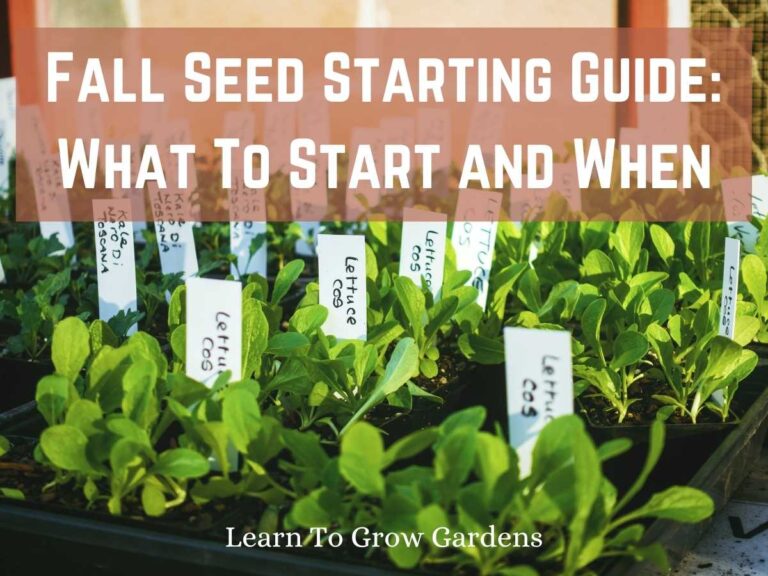
You may also like my Fall Seed Starting Guide: What To Plant and When
Protecting Your Fall Garden from Frost and Cold Weather
One of the biggest challenges in fall gardening is knowing how to protect your crops when temperatures start to drop. The good news is that many cool-season vegetables can handle light frosts, and with a few simple tools, you can extend your harvest well into late fall or even early winter.
When to Expect Frost in Fall
Start by finding your average first frost date. This gives you a general idea of how much growing time you have left and when you’ll need to start protecting your garden. Keep in mind that weather isn’t always predictable, so it’s smart to watch the forecast closely as your first frost approaches.
Easy Frost Protection Methods for Fall Gardens
You don’t need fancy equipment to shield your crops from the cold. A few simple tools and materials can make a big difference:
- Row covers – Lightweight fabric that protects plants from frost while letting in light and water.
- Cloches – Miniature greenhouses made from plastic or glass that fit over individual plants.
- Cold frames – Simple boxes with a clear lid that act like a mini greenhouse.
- Mulch – Straw or leaves can help insulate root crops like carrots and beets.
Tips for Extending Your Harvest
Some vegetables can keep growing even after several frosts if you give them the right protection. Focus on hardy crops like kale, spinach, and carrots, and consider using succession planting to keep new crops coming as the season progresses.
Fall Garden Maintenance Tips
Once your fall garden is planted, the work isn’t over, but it’s often a lot easier than keeping up with a summer garden. Cooler temperatures slow down weeds and pests, and you’ll likely spend less time watering.
Here are a few simple maintenance tasks to keep your fall crops healthy and productive:
- Adjust Your Watering Routine: As the weather cools and days get shorter, your garden won’t dry out as quickly. Water less often but keep an eye on rainfall. The goal is to keep the soil evenly moist without overwatering, which can lead to rot in cooler conditions.
- Stay Ahead of Pests and Diseases: Don’t let your guard down just because it’s fall. Pests like cabbage worms, aphids, and slugs can still show up. Check your plants regularly and remove any pests you see by hand or with organic methods.
- Plant Cover Crops for Soil Health: If you have empty garden beds, consider planting a cover crop like clover, winter rye, or vetch. These crops protect your soil from erosion, add organic matter, and help fix nutrients for next season.

End-of-Season Tasks for Fall Gardeners
As your fall garden winds down, there are a few key tasks that will help you wrap up the season and set your garden up for success next year. Taking time now can save you hours of work in spring.
- Clean Up After Your Fall Harvest: Remove spent plants, weeds, and any diseased or pest-infested material. Healthy plant debris can be added to your compost pile, but toss anything with signs of disease to avoid carrying problems into next season.
- Compost Your Garden Waste: Fall is a great time to build or add to your compost pile. Leaves, plant debris, and kitchen scraps can all break down over winter to create rich compost for spring planting.
- Save Seeds for Next Year: If you grew heirloom varieties, consider saving seeds from your healthiest plants. It’s a simple, cost-effective way to plan ahead for next season’s garden.
- Prep Your Garden for Winter: Once the beds are cleared and composted, cover them with mulch or a cover crop to protect the soil over winter. Store your garden tools and clean them thoroughly to prevent rust or disease.
Note – For more info on storing seeds, check out my best tips for storing and organizing seeds. You may also like my tutorial on making DIY seed envelopes. They’re such a fun way to gift a few extra seeds to friends!
Common Fall Gardening Mistakes to Avoid
Fall gardening is more forgiving than summer gardening, but there are still a few common mistakes that can trip up beginners. Here’s how to avoid them and set yourself up for success.
- Waiting Too Long to Plant: One of the biggest mistakes is assuming there’s plenty of time. Many cool season crops need to mature before your first frost, so it’s important to know your planting window and start as soon as possible.
- Skipping Soil Prep: After a busy summer, it’s tempting to plant straight into your beds without refreshing the soil. But tired soil means weaker plants. Take time to add compost or organic matter before planting your fall crops.
- Neglecting Frost Protection: Even hardy crops can benefit from a little extra protection as temperatures drop. Don’t wait for the first frost warning Have row covers or other tools ready to go.
More Gardening Posts and Resources
Looking for even more gardening tips? Here are a few posts to help you get the most out of your garden every season.
- Fall Seed Starting Guide: What To Plant and When – A guide to starting fall crops from seed, including when to start seeds in summer for fall harvests.
- What To Plant for an Incredible Fall Garden – A guide on the bests herbs, vegetables and flowers that thrive in the cooler weather of fall.
- Quick Growing Vegetables to Plant in Fall – Late start? No problem! These vegetables mature fast and can be ready in as little as 30-60 days!
- Hosta Care in Fall – Learn the right time and technique for caring for hostas in the fall, to keep them happy and healthy year after year.
- Planting Allium Flowers: A Complete Guide – Did you know those whimsical ornamental onions need planted in fall, long before they bloom? Find out how in this how-to guide.
- October Garden Tasks – Learn what to do in the garden this month to set yourself up for a successful spring.
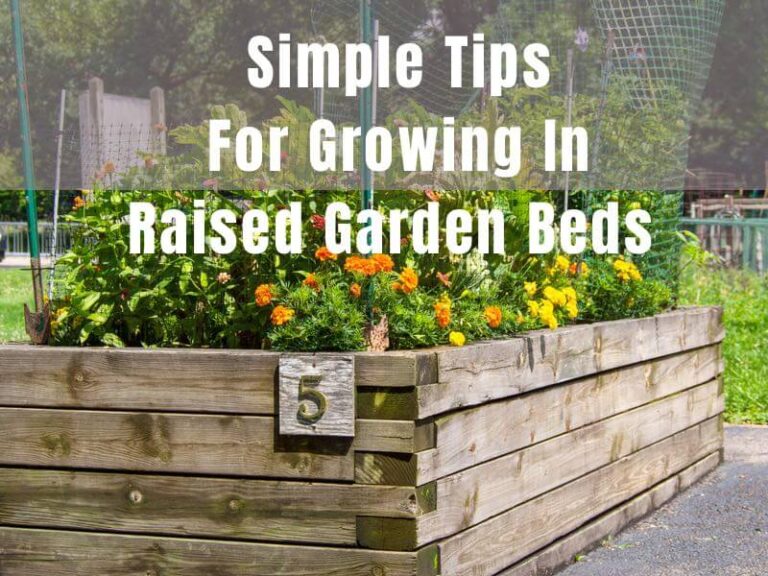
- DIY Raised Bed Soil – A simple DIY recipe for raised garden beds.
- 21 Gardening Tips for Beginners – My best tips and tricks from my years as a Master Gardener, garden coach and my own experience in the garden.
Final thoughts
Fall really is one of the easiest and most rewarding times to garden. Whether you’re planting a few quick growing greens or prepping your beds for next spring, every bit of effort now pays off later.
And if you’re still building your confidence as a gardener, check out the other gardening posts above. You’ll find plenty of step-by-step help to make this season your best yet
Want to keep going?
You can follow the full Month by Month Gardening Roadmap to stay organized all year long. Each monthly guide includes a free printable checklist and clear steps to help you know exactly what to do in your garden every season.
Looking for more gardening inspiration and support?
Come join my free Facebook group, Grow Together: Gardening Tips and Ideas. It’s a friendly, encouraging space for gardeners of all experience levels to share ideas, ask questions, and celebrate their successes.
Whether you’re starting your first garden or looking for new ideas to keep growing, you’ll find plenty of helpful tips and a community that loves to cheer each other on.
Join Grow Together: Gardening Tips and Ideas on Facebook

Hi, I’m Liz! I’m a Master Gardener, Garden Coach, and Professional gardener. I’m also a mom of 4 who likes to putz around in my garden, growing food and flowers. You can read more about me here.
I started Learn To Grow Gardens as a resource for anyone looking to find more success in the garden. You can find gardening help, inspiration, and community through my Facebook Group or by joining my email list below.