What to Plant for an Incredible Fall Garden

What to Plant for an Incredible Fall Garden
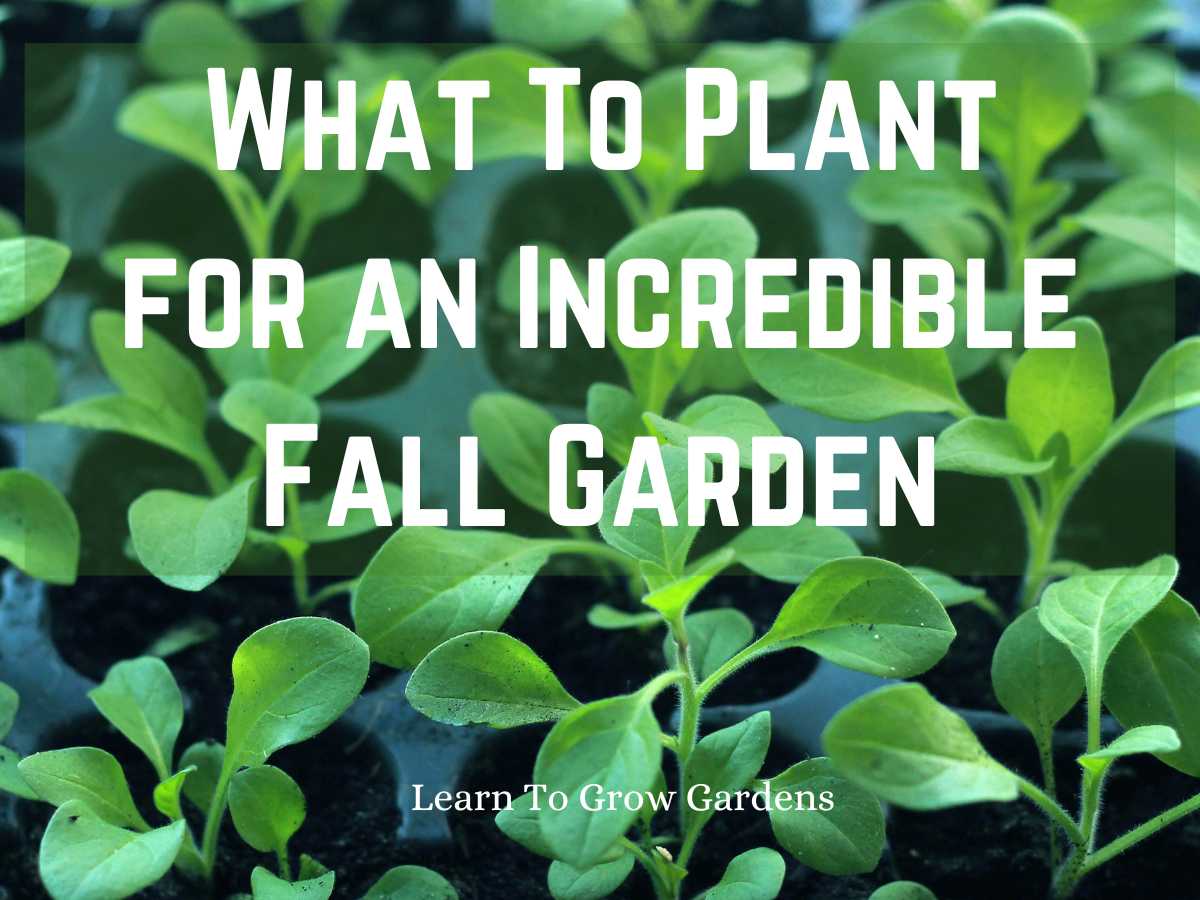
When most people think about gardening, they picture spring planting and summer harvests. But here’s the secret: fall is one of the best times of year to grow a garden.
Cooler temperatures, fewer pests, and soil that’s still warm from summer create ideal conditions for many vegetables, herbs, and even flowers. Some crops actually taste better after a light frost, making fall gardens surprisingly productive and rewarding.
Whether you’re starting your first fall garden or looking to expand what you grow, this guide will show you the best crops to plant for a thriving autumn harvest. I’ll also share practical tips to help you choose what will work in your garden and climate.
Related: The Ultimate Guide to Fall Gardening
Why Plant a Fall Garden?
Fall gardening comes with a lot of hidden benefits that many beginner gardeners don’t expect. Cooler days and longer nights actually make it easier to grow certain crops, and some vegetables even taste better after a light frost.
If you struggled to keep up with pests, weeds, and watering in the summer, fall offers a welcome change of pace. The soil is still warm from summer sun, so seeds germinate quickly, and the cooler air means less stress on your plants.
A fall garden also helps you get more from your space. Instead of letting beds sit empty after summer harvests, you can grow a second round of cool season crops, and even prepare for a head start next spring with overwintering vegetables.

How to Choose What to Plant in Fall
The first step in planning your fall garden is knowing how much time you have left in the growing season. Start by finding your average first frost date and count backward to see how many weeks you have. This will help you choose crops that can mature in your climate.
If you’re planting 8–12 weeks before your first frost, you have plenty of options. Cool season crops like leafy greens, root vegetables, and brassicas thrive in fall weather. If you’re closer to frost, focus on fast-growing crops like radishes, baby greens, and green onions for a quick harvest.
Also consider how much space you have available. Raised beds, in ground plots, and even containers can all work for a fall garden. Just remember that cooler weather means slower growth toward the end of the season, so succession planting can help keep your harvest coming.
Best Vegetables to Plant in Fall
Fall gardens are all about cool season crops that grow well in mild days and chilly nights. Many of these vegetables can handle light frosts and some even taste sweeter after a cold snap.
Here are the best vegetables to grow for a productive fall harvest:
Leafy Greens (Fast and Frost-Friendly)
- Lettuce – Choose loose leaf varieties for a quick harvest in as little as 30 days.
- Spinach – Hardy and fast growing, spinach can survive light frosts and even overwinter in some climates.
- Kale – Cooler weather improves its flavor, making the leaves sweeter and less bitter.
- Swiss chard – A colorful, cold tolerant green that keeps producing into fall.
Tip: Succession plant every 2–3 weeks for a continuous harvest. You can learn more about succession planting and grab my free succession planting chart here.
Root Vegetables (Plant Early for Bigger Harvests)
- Carrots – Mulch heavily for protection and you can harvest even after frost.
- Beets – Quick-growing and perfect for cooler weather. Both roots and greens are edible.
- Radishes – One of the fastest crops for fall, ready to harvest in as little as 25 days.
- Turnips – Great for both roots and greens, and very frost-tolerant.
Brassicas (For Early Fall Planting)
- Broccoli – Needs 10–12 weeks before frost, so plant transplants if starting late.
- Cauliflower – A little more sensitive to frost but grows well with protection.
- Cabbage – Hardy and perfect for late season slaws and soups.
- Brussels sprouts – Slow to mature but can handle multiple frosts for a sweeter flavor.
Other Fall Garden Friendly Crops
- Peas – Sugar snap and snow peas love cool weather and can produce a quick harvest.
- Green onions – Tolerate cold and grow quickly, even in containers.
- Bush beans – If you have at least 8–10 weeks before frost, they’re a great option for an extra harvest.
Herbs That Thrive in Fall
Fall isn’t just for vegetables. Many herbs grow well in cooler weather and can give you fresh flavor late into the season. Some are even hardy enough to survive light frosts or overwinter with a little protection.
Great herbs for a fall garden include:
- Parsley – Prefers cooler weather and can tolerate light frosts.
- Cilantro – Bolts quickly in summer heat but thrives in the cooler days of fall.
- Chives – Hardy and perfect for adding a mild onion flavor to fall dishes.
- Thyme – A cold hardy perennial that keeps producing late into the season.
Tip – Most of these herbs do well in containers, so you can bring them indoors if a hard frost is on the way.
Fall Flowers to Brighten Your Garden
As vegetable harvests wind down, fall flowers can keep your garden looking colorful and lively. Many cold tolerant flowers bloom well into fall and can even handle light frosts.
Some great choices include:
- Pansies – Thrive in cool weather and bloom through frost.
- Calendula – Edible flowers that tolerate light freezes and attract pollinators.
- Violas – A smaller cousin of pansies with the same cold-hardy qualities.
- Chrysanthemums – Classic fall blooms that add vibrant color to garden beds and containers.
- Chamomile – Delicate flowers that thrive in cooler weather and can be harvested for herbal tea.
Adding flowers isn’t just about beauty. Late season blooms can also support pollinators that are still active in your garden.
Quick Tips for Fall Garden Planting Success
- Start with your timing. Count backward from your first frost date to make sure your crops have enough time to mature.
- Focus on cool season crops. These plants are built for chilly nights and shorter days.
- Succession plant. Sow new seeds every two to three weeks for a steady harvest.
- Have frost protection ready. Row covers, cloches, and mulch can help you extend your season and protect tender crops.
- Keep watering. Even though it’s cooler, don’t forget to water deeply until plants are established. (You can find my guide on how to water your garden correctly HERE.)
A little planning goes a long way in the fall garden. These simple steps can help you grow a thriving harvest, even if you’re starting later in the season.

Ready to Start Planting?
Fall gardening is one of the easiest ways to get more from your growing season. Whether you’re starting with a few containers of greens or planting out raised beds for a full autumn harvest, the key is to start where you are and enjoy the process.
Don’t worry if you’re getting a late start. Many fast growing crops like radishes, baby greens, and herbs can give you a harvest in just a few weeks. And even if your growing season is short, prepping your beds and planting cover crops now will set you up for a strong spring garden.
More Gardening Posts You’ll Love:
- The Ultimate Guide to Fall Gardening – Everything you need to know for a successful fall garden.
- Fall Seed Starting Guide: What To Plant and When – A guide to starting fall crops from seed, including when to start seeds in summer for fall harvests.
- DIY Raised Bed Soil – A simple DIY recipe for raised garden beds.
- 21 Gardening Tips for Beginners – My best tips and tricks from my years as a Master Gardener, garden coach and my own experience in the garden.
- Hosta Care in Fall – Learn the proper way to care for hostas before winter.

Hi, I’m Liz! I’m a Master Gardener, Garden Coach, and Professional gardener. I’m also a mom of 4 who likes to putz around in my garden, growing food and flowers. You can read more about me here.
I started Learn To Grow Gardens as a resource for anyone looking to find more success in the garden. You can find gardening help, inspiration, and community through my Facebook Group or by joining my email list below.