Fall Seed Starting Guide: What To Plant and When
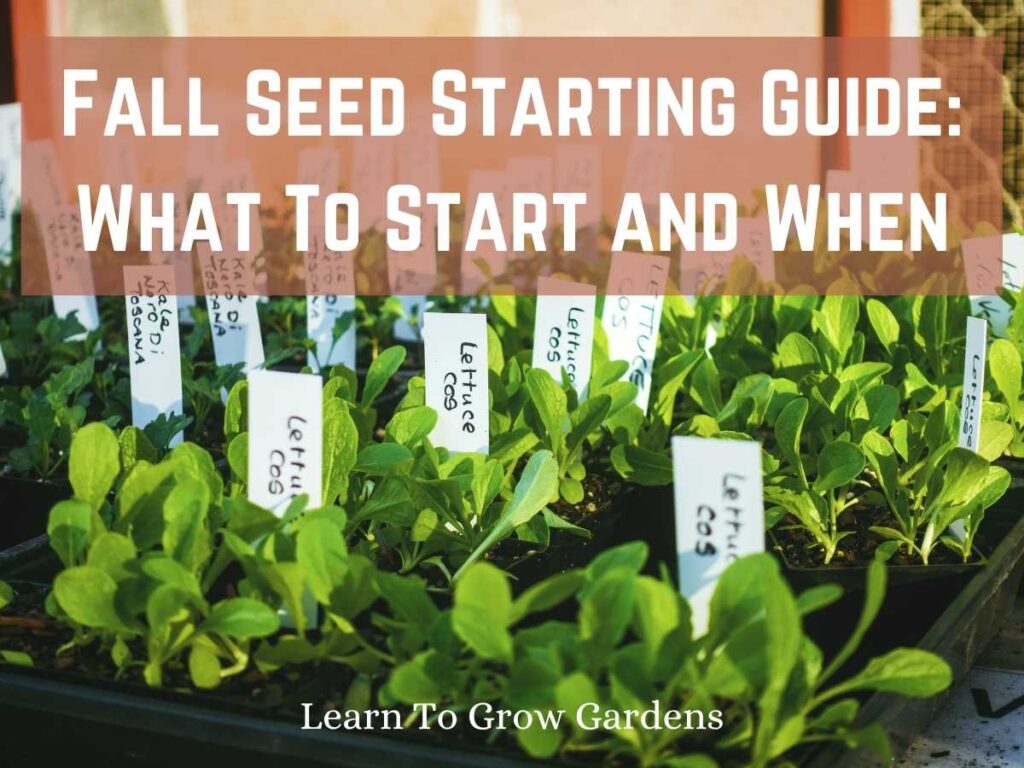
Fall Seed Starting Guide: What to Start and When
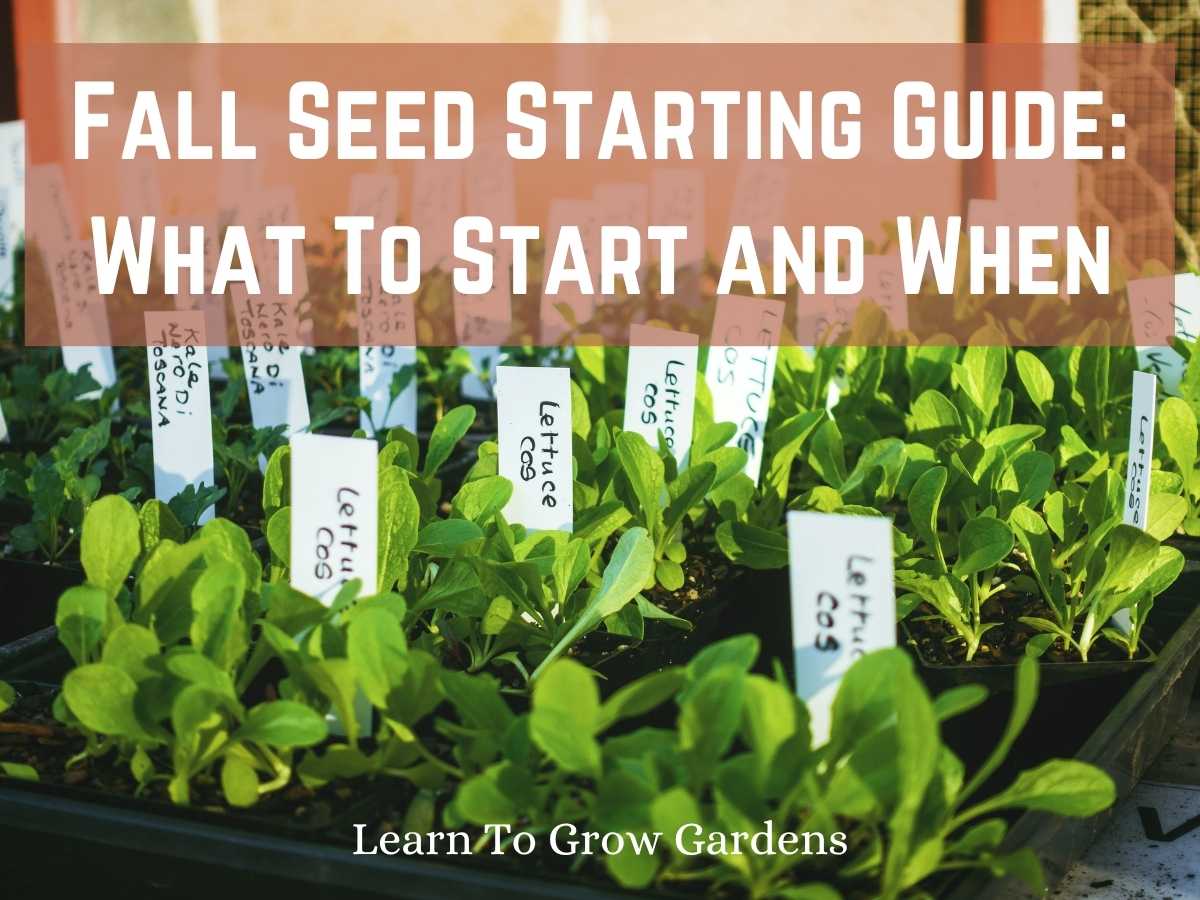
When most people think of seed starting, they picture trays of tiny seedlings in spring. But fall seed starting? That’s a game changer.
Starting seeds indoors for a fall garden gives you a head start on cool-season vegetables, herbs, and even flowers that thrive as the weather cools. It’s one of the best ways to extend your harvest and get more from your garden beds, even as summer crops start winding down.
In this guide, I’ll show you:
- The best vegetables, herbs, and flowers to start for a fall garden
- When to start each one so they’re ready to transplant
- Simple tools and tips to make seed starting easy (even if you’re a beginner)
Whether you’re planting a second round of broccoli, dreaming of fresh fall salads, or want cheerful calendula blooms well into November, this guide has you covered.
This post is part of my Fall gardening Series. You can read the Ultimate Guide to Fall Gardening here, along with all my fall garden posts.
This post may contain affiliate links. You can read my full privacy policy here.
As an Amazon associate, I earn through qualifying purchases.
Why Start Seeds for a Fall Garden
Starting seeds indoors isn’t just for spring gardeners. It’s one of the easiest ways to set your fall garden up for success. Many cool-season crops grow best when they’re started indoors and transplanted later, especially during the heat of midsummer when direct seeding can be tricky.
A few reasons to start seeds for your fall garden:
- Extend your harvest. By starting plants ahead of time, you can get a jump on the cooler season and enjoy fresh produce longer.
- Grow slow-maturing crops. Vegetables like broccoli, cabbage, and Brussels sprouts need more time to develop, so starting them indoors gives them a head start.
- Avoid midsummer heat stress. Starting seeds indoors protects tender seedlings from scorching temperatures and pests that are most active in summer.
- Add flowers and herbs. Fall seed starting isn’t limited to vegetables. Cool loving herbs and flowers like parsley, cilantro, and calendula can be started indoors for late-season beauty and harvests.
Starting your fall garden from seed gives you more control over timing, variety selection, and overall garden success.

What Seeds to Start for Fall Planting
Not every crop needs to be started indoors for fall, but some benefit from an early start, especially slow growers like brassicas and tender seedlings that don’t handle midsummer heat well.
Here’s a breakdown of vegetables, herbs, and flowers that are perfect for starting indoors:
Vegetables (Start Indoors 6–12 Weeks Before Frost)
- Broccoli – Needs plenty of time to mature before cool weather.
- Cauliflower – More sensitive to heat, so indoor starting helps avoid stress.
- Cabbage – Start early for firm heads before frost.
- Kale – Hardy and easy to transplant.
- Lettuce mixes – Quick to grow, but starting indoors helps avoid bolting in summer heat.
- Spinach – Start indoors or direct sow later in summer.
- Swiss chard – A colorful, cold-tolerant addition.
Fall Herbs (Quick and Hardy for Fall)
- Cilantro – Prefers cool weather and bolts quickly in summer heat.
- Parsley – Slow germinator, so start indoors early.
- Dill – Grows fast but appreciates transplanting into cooler weather.
Fall Flowers (Extend Your Garden’s Beauty Into Fall)
- Calendula – Edible blooms and perfect for cool weather.
- Chamomile – Great for tea, thrives in mild temperatures.
- Violas & Pansies – Cold-tolerant and bloom well into fall.
- Nasturtiums – Grow quickly and provide edible flowers and leaves.
When to Start Fall Seeds Indoors
The key to a successful fall garden is timing. Most fall crops need to be started indoors 6 to 12 weeks before your first expected frost date. This gives your plants enough time to grow strong seedlings that are ready to transplant when the weather cools.
Not sure of your first frost date? You can find it quickly with a tool like the Old Farmer’s Almanac frost calculator.
Here’s a general guide to when to start common fall crops indoors:
Slow-Growing Crops (Start 10–14 Weeks Before Frost)
These vegetables take longer to mature and benefit the most from an early indoor start.
- Brussels sprouts – Extremely slow-growing; start early.
- Broccoli – Needs plenty of time before frost.
- Cauliflower – Sensitive to heat; indoor starting avoids stress.
- Cabbage – Start early for firm, full heads.
Moderate-Growing Crops (Start 6–10 Weeks Before Frost)
These crops do well with a little head start.
- Kale – Hardy and easy to transplant.
- Swiss chard – Heat and cold tolerant.
- Beets – Can be started indoors or direct sown.
- Green onions – Quick-growing and frost tolerant.
- Lettuce mixes – Succession plant for a steady harvest.
- Turnips – Can be started indoors for early harvests.
Fast-Growing Crops (Start 4–6 Weeks Before Frost)
These vegetables grow quickly and can often be direct sown, but starting indoors helps avoid midsummer heat.
- Spinach – Hardy and great for late planting.
- Radishes – Typically direct sown, but starting indoors allows earlier transplanting.
- Mustard greens – Quick to germinate and harvest.
- Bok choy – Prefers cool temps to avoid bolting.
Starting seeds indoors also makes it easier to stagger your plantings for a longer harvest.

What You’ll Need to Start Fall Seeds Indoors
You don’t need a lot of fancy equipment to start seeds indoors, but having the right tools can make the process easier and help your seedlings grow strong and healthy. Here’s what I recommend:
Seed Starting Supplies Checklist
- Seed trays with humidity domes – These keep moisture levels steady and help with germination. These are my go-to trays and these humidity trays are great.
- Quality seed starting mix – Use a light, fluffy mix designed for seedlings rather than garden soil, or make your own with my DIY Seed Starting Mix Recipe
- Grow lights – Essential for giving seedlings enough light, especially if you don’t have a bright south-facing window.
- Heat mat – Helps keep soil warm for faster, more even germination. I have these ones.
- Spray bottle or gentle watering can – Prevents washing away tiny seeds or damaging tender seedlings.
Optional but Helpful Supplies
- Small fan – Improves airflow and reduces the chance of fungal issues.
- Plant labels or markers – Keeps your trays organized and avoids mystery seedlings later.
- Seedling fertilizer – A mild, water-soluble fertilizer helps young plants thrive once they sprout.
Starting seeds indoors is simple once you’re set up. Most of these supplies can be used season after season, making them a worthwhile investment.
Tips for Successful Fall Seed Starting
Starting seeds for a fall garden is a little different than in spring, but with a few adjustments, you can set your seedlings up for success.
- Keep seedlings cool. Once germinated, move trays to a cooler spot to prevent brassicas and leafy greens from bolting in midsummer heat.
- Give them plenty of light. Place trays under grow lights for 12–14 hours a day to prevent leggy seedlings.
- Harden off before transplanting. Gradually expose seedlings to outdoor conditions for 7–10 days before planting them in your garden.
- Start succession planting. Sow new batches of fast-growing crops like lettuce or radishes every 2–3 weeks for continuous harvests. (You can learn more about Succession Planting here, along with a printable guide)
A little extra care at this stage means stronger plants and a more productive fall garden.
Ready to Start Your Fall Seeds?
Starting seeds indoors for your fall garden is one of the best ways to make the most of your growing season. With the right timing and a few simple supplies, you can enjoy fresh greens, hearty vegetables, and even flowers long after summer crops have faded.
Don’t wait too long! Cool season crops grow best when they’re planted early enough to beat the first frost. Whether you’re starting broccoli and cabbage or cheerful calendula blooms, now is the perfect time to get your seeds going.
More Fall Gardening Posts You’ll Love

Hi, I’m Liz! I’m a Master Gardener, Garden Coach, and Professional gardener. I’m also a mom of 4 who likes to putz around in my garden, growing food and flowers. You can read more about me here.
I started Learn To Grow Gardens as a resource for anyone looking to find more success in the garden. You can find gardening help, inspiration, and community through my Facebook Group or by joining my email list below.

As an Amazon Associate, I earn from qualifying purchases.