Garden Soil Preparation: How To Improve Soil Quality Before Planting

Garden Soil Preparation: How To Improve Soil Quality Before Planting
If you’ve ever planted a garden and felt like things just never grew as well as they should have, even when you did “everything right,” soil is often the reason.
I learned this lesson while working in a large, established garden where the soil had been neglected for years before I ever stepped in. On the surface, everything looked fine. The beds were there. Plants had been going in season after season. But underneath, the soil was compacted, low in organic matter, and simply worn out.
We spent a couple of years trying to bring that soil back to life by amending it little by little. Compost helped. Organic matter helped. But plants still struggled, pests and diseases were ongoing issues, and crop rotation was not always possible. In the end, portions of the soil were so tired and depleted that the only real solution was to replace it entirely.
That experience really changed the way I look at soil.
Good soil is not just something you add once in spring and forget about. It is something you care for over time. And when soil is unhealthy, plants will let you know, even if you do everything else right.
The good news is that most home gardeners are not dealing with soil in that condition. You do not need perfect soil to grow a successful garden, and you definitely do not need to replace everything to see improvement. Small, consistent changes can make a big difference.
In this guide, I’ll walk you through easy, beginner-friendly ways to improve soil quality before planting. We’ll cover affordable options, natural soil improvements, and specific tips for vegetable gardens, flower beds, containers, and even how to care for your soil during winter so you’re set up for success in spring.
Garden Soil Preparation Basics (What Beginners Should Know)
When we talk about garden soil preparation, it can sound more complicated than it really is, especially if you’re new to gardening. The goal isn’t to create perfect soil. The goal is to create soil that can support healthy roots and steady plant growth.
Good garden soil has three main jobs:
- It needs to drain well so roots don’t sit in water.
- It needs to hold moisture so plants don’t dry out too quickly.
- It needs organic matter to feed plants and support all the beneficial activity happening underground.
A lot of common garden problems trace back to soil that struggles in one or more of those areas. Compacted soil holds water but doesn’t drain. Sandy soil drains quickly but doesn’t hold nutrients. Soil that hasn’t been cared for in a long time often lacks organic matter, which plants rely on for steady growth.
That’s why garden soil preparation matters so much before planting. Taking a little time to improve soil quality helps roots establish more easily, reduces stress on plants, and can prevent issues like poor growth, pests, and disease later in the season.
It’s also important to know that soil improvement is not an all-or-nothing project. You don’t have to fix everything at once, and you don’t need expensive products to get started. Most gardens improve best when you focus on adding organic matter, improving structure, and making small changes season after season.
Once you understand what your soil needs, improving it becomes much more manageable. And in the next sections, we’ll walk through simple ways to start making those improvements, whether you’re working with garden beds, containers, or planning ahead for future seasons.
What Can I Add to My Garden Soil to Make It Better?
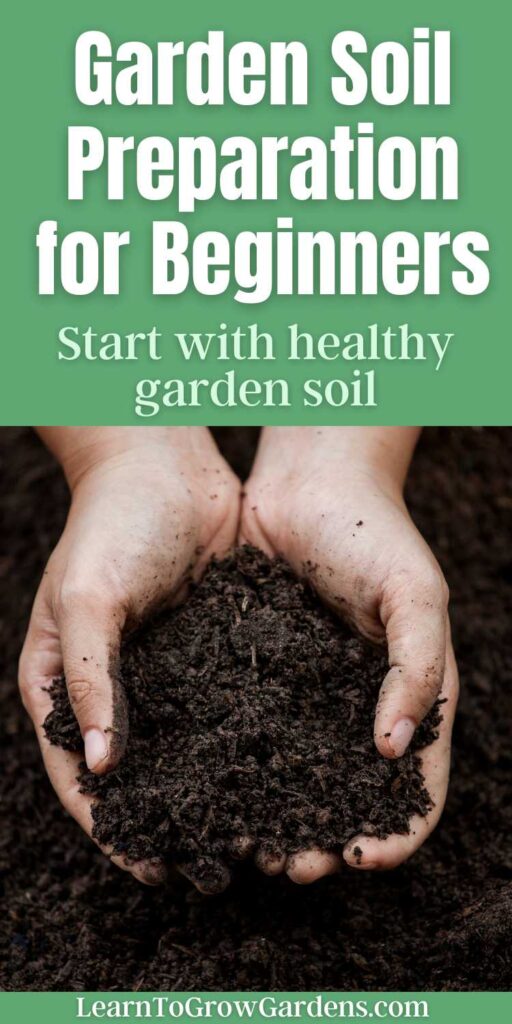
When gardeners ask how to improve the quality of their garden soil, what they are usually really asking is what they can add to make plants grow better. In most cases, the answer comes back to organic matter.
Adding organic matter is one of the simplest and most effective ways to improve garden soil. It improves drainage in heavy soils, helps sandy soils hold moisture, and provides a steady source of nutrients as it breaks down.
Compost is one of the best additions you can make to garden soil. Finished compost adds nutrients, improves soil structure, and supports healthy soil life. If you have your own compost pile, great. If not, store-bought compost works just fine. A thin layer mixed into the top few inches of soil or spread on the surface will still make a difference.
Aged manure is another helpful soil amendment when it is fully composted. It adds organic matter and nutrients, but it should never be fresh, as fresh manure can damage plants and introduce unwanted seeds.
Worm castings are a gentle but powerful way to improve soil quality. They are rich in nutrients and beneficial microbes and are especially helpful in small spaces like containers or raised beds.
Mulch may not seem like something you “add” to soil, but it plays a big role in soil health. Organic mulches, such as shredded leaves, straw, or bark, break down over time and feed the soil while also helping retain moisture and suppress weeds.
If there’s one thing to remember, it’s that improving garden soil is less about adding lots of different products and more about consistently adding organic matter over time. Even small amounts, applied regularly, can lead to noticeable improvements in soil quality.
Cheap Ways to Improve Soil
Improving soil quality does not have to be expensive. In fact, some of the best ways to improve garden soil cost little to nothing and use materials you may already have.
One of the easiest and cheapest ways to improve soil is by composting. Kitchen scraps, garden trimmings, and yard waste can be turned into nutrient-rich compost that feeds your soil for free. Even a small compost pile or bin can make a noticeable difference over time. To learn about home composting, check out this article through Michigan State University Extension.
Leaves are another valuable soil resource that often get overlooked. Shredded leaves can be mixed into garden beds or used as mulch, and they break down into organic matter that improves soil structure. Leaf mold, which is made by letting leaves decompose over time, is especially helpful for improving moisture retention and soil texture.
Grass clippings can also be used to improve soil when applied correctly. They work well as mulch when used in thin layers and can add nutrients as they break down. Just be sure the clippings come from an untreated lawn. Grass that has been sprayed with herbicides or other chemical treatments should not be used in garden beds, as those products can linger and harm plants.
Mulching is one of the most cost-effective ways to improve soil quality while also saving time. Organic mulches protect soil from drying out, reduce weed pressure, and slowly add organic matter as they decompose. Over time, this steady input helps soil become healthier and easier to work with.
One of the biggest money-saving mindset shifts for beginner gardeners is understanding that soil improvement is a gradual process. You do not have to fix everything in one season. Adding small amounts of organic material year after year leads to stronger soil and healthier plants without a big upfront cost.
How to Increase Organic Matter in Soil
Organic matter is one of the most important parts of healthy garden soil, and it’s something many beginner gardens are lacking without realizing it.
Simply put, organic matter is anything that was once living and is now breaking down in the soil. This includes compost, plant debris, roots, and organic mulches. As organic matter breaks down, it improves soil structure, helps retain moisture, and provides nutrients that plants can access over time.
One of the simplest ways to increase organic matter in soil is by regularly adding compost. Even a thin layer applied once or twice a year can improve soil quality over time. Compost feeds the soil first, which in turn supports healthier plants.
Leaving healthy plant roots in the soil at the end of the season is another helpful practice. Roots help create space in the soil for air and water, and as they break down, they contribute organic material below the surface.
Using organic mulch also plays a big role in increasing organic matter. As mulch breaks down, it slowly adds carbon-rich material to the soil while protecting it from erosion and extreme temperature changes.
It’s important to remember that building organic matter is a gradual process. You may not see dramatic changes after one season, but steady improvements add up. Over time, soil becomes looser, darker, and easier to work with, which is a good sign that organic matter levels are improving.
How to Improve Garden Soil for Vegetables
Vegetable gardens tend to ask a little more from the soil than other types of gardens. Since vegetables grow quickly and produce fruit, roots, or leaves we harvest, they rely heavily on consistent moisture, nutrients, and good soil structure.
To improve garden soil for vegetables, start by focusing on loosening the soil and adding organic matter. Roots need space to grow, and compacted soil makes it harder for plants to take up water and nutrients. Mixing compost into the top few inches of soil helps improve structure and gives vegetables a better environment to grow in.
Drainage is especially important in vegetable gardens. Soil that stays wet for too long can lead to root problems and disease. If water tends to pool in your garden beds, adding organic matter can help over time by improving soil structure and allowing excess water to move through more easily.
Vegetables also benefit from soil that is rich but balanced. Adding compost regularly provides nutrients in a slow, steady way, which is easier for plants to use than quick-release fertilizers alone. Healthy soil often leads to fewer problems with stressed plants, pests, and disease.
Crop rotation also plays an important role in maintaining healthy garden soil. Planting the same crops in the same spot year after year can contribute to nutrient depletion and increase pest and disease pressure. Rotating where different plant families are grown helps balance nutrient use and reduces the buildup of common garden problems. Even in small gardens, making small rotation changes from season to season can make a noticeable difference over time.
If you’re growing vegetables in raised beds, soil preparation becomes even more important. Raised beds rely entirely on the soil you put into them, which is why having a good soil mix matters. I go into more detail about this in my DIY raised bed soil recipe, which explains how to create a balanced soil mix that supports strong vegetable growth.

How to Improve Soil Quality in Flower Beds
Flower beds often get overlooked when it comes to soil care, especially once plants are established. But improving soil quality in flower beds helps support stronger growth, better flowering, and healthier plants over time.
Unlike vegetable gardens, flower beds usually don’t need as much disturbance. Perennials, shrubs, and ornamental grasses prefer soil that is improved gradually rather than heavily worked each season. Adding compost to the soil surface and allowing it to slowly work its way in is often more effective than digging everything up.
Newly planted beds benefit from soil improvement before planting, when it is easiest to mix in compost and adjust soil structure. Established beds, on the other hand, are best improved slowly over time by adding compost and mulch on the surface without disturbing plant roots.
Organic mulch is especially helpful in flower beds. Mulch helps regulate soil temperature, retain moisture, and reduce weed pressure. As it breaks down, it feeds the soil and improves soil structure without disrupting plant roots.
If your flower bed soil is compacted or drains poorly, improving it takes patience. Adding organic matter over time helps soil loosen naturally and supports better airflow and drainage. Avoid the temptation to over-amend or add too many products at once, which can stress plants instead of helping them.
A simple habit of refreshing flower beds with compost and mulch once or twice a year can go a long way. Over time, healthier soil leads to stronger plants that are better able to handle stress from weather, pests, and disease.
How to Improve Soil Quality in Pots
Growing plants in pots comes with its own set of soil considerations. Soil in containers behaves differently than soil in the ground, which means improving soil quality in pots requires a slightly different approach.
Garden soil should not be used in containers, as it tends to compact and drain poorly when confined to a pot. Instead, container plants do best in a quality potting mix that is designed to drain well while still holding moisture.
Over time, soil in pots becomes depleted and compacted. One of the simplest ways to improve soil quality in pots is by refreshing it regularly. Each season, remove a portion of the old potting mix and replace it with fresh potting soil and compost. This helps restore nutrients and improves soil structure.
It’s also important not to reuse potting soil indefinitely. If plants struggled with disease, pests, or poor growth, it’s often best to start fresh. Empty the container, scrub and sanitize the pot, and refill it with clean potting mix. This simple step can prevent ongoing issues and give new plants a healthier start.
Drainage is especially important in pots. Make sure containers have drainage holes, and avoid letting pots sit in water for extended periods. Healthy container soil should drain freely while still staying evenly moist.
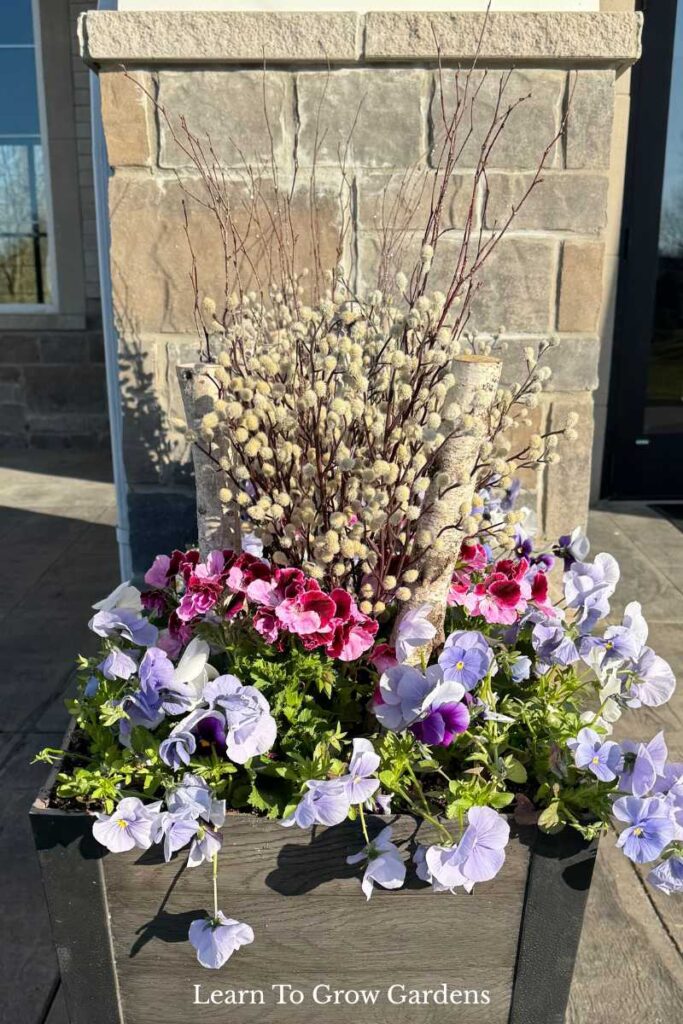
If you enjoy gardening in containers, you may also like my spring pansy planter recipe blog post, which walks through an easy seasonal pot that adds early color and works well in cool weather.
How to Improve Garden Soil Over the Winter
Winter may feel like the garden is completely on pause, but it’s actually an important time for soil care. What you do for your garden soil over the winter can make a big difference in how ready it is when spring planting rolls around.
One of the simplest ways to protect and improve garden soil during winter is by keeping it covered. Bare soil is more vulnerable to erosion, compaction, and nutrient loss. Adding a layer of mulch, shredded leaves, or compost helps protect the soil surface and slowly adds organic matter as it breaks down.
Leaving plant roots in the ground at the end of the season can also help improve soil structure. As roots decompose, they create channels for air and water to move through the soil, which supports healthier soil overall.
Fall is also a great time to add compost to garden beds. Over the winter months, compost continues to break down and integrate into the soil, giving microorganisms time to do their work before planting season begins. By spring, the soil is often easier to work and better prepared for new growth.
If you want to take soil care a step further, cover crops can be another option, especially in vegetable gardens. Even simple cover crops help protect soil, add organic matter, and prevent nutrients from washing away during winter rains and snow.
For a deeper look at preparing your garden for the colder months, you may also like my Ultimate Guide to Fall Gardening, which walks through fall cleanup, soil care, and planning ahead for the next season.
Common Soil Improvement Mistakes to Avoid
When learning how to improve garden soil, it’s easy to feel like you need to do everything at once. Many common soil problems don’t come from a lack of effort, but from well-meaning mistakes.
One of the most common mistakes is over-tilling. While it may seem helpful to turn the soil frequently, excessive digging can disrupt soil structure and beneficial organisms. In most cases, improving soil slowly by adding organic matter on the surface is more effective than constant disturbance.
Another common mistake is adding too many products at once. Bagged soils, fertilizers, amendments, and additives can pile up quickly, and more is not always better. Focusing on compost and organic matter first often leads to better results than chasing quick fixes.
Ignoring drainage issues can also cause ongoing problems. Plants struggle in soil that stays too wet, and no amount of fertilizer can fix poor drainage. Improving soil structure and choosing the right plants for your conditions makes a bigger difference long term.
Many gardeners also expect instant results. Soil improvement takes time, and that’s okay. Changes happen gradually, and small, consistent efforts often lead to the healthiest soil over time.
Finally, reusing poor or diseased soil without addressing the underlying issue can lead to repeated problems. If plants consistently struggle, taking a step back to refresh soil or start fresh can save time and frustration down the road.

Final Thoughts
Improving garden soil doesn’t have to feel overwhelming. You don’t need perfect soil to grow a successful garden, and you don’t need to fix everything at once. Soil health improves best with small, consistent steps taken season after season.
By focusing on adding organic matter, protecting your soil, and paying attention to how your plants respond, you’re already doing meaningful work below the surface. Over time, those efforts lead to healthier plants, fewer problems, and a garden that’s easier to care for.
If you’re getting ready to plant and want to make sure everything is mapped out first, you may find my Garden Planning for Beginners: How to Start a Garden guide helpful.
If you’re growing vegetables, understanding soil preparation is especially important. My DIY raised bed soil recipe is a great next step if you want a simple, balanced soil mix that supports strong plant growth, especially in raised beds.
And if you’re looking for more easy, beginner-friendly guidance, be sure to check out my gardening tips for beginners post. It pulls together practical advice to help you feel confident as you plan, plant, and grow your garden.
Healthy gardens start with healthy soil, and every small improvement you make now sets you up for a better growing season ahead.
Frequently Asked Questions
How Do I Improve the Quality of My Garden Soil?
Improving the quality of your garden soil starts with understanding that healthy soil is built over time, not fixed in one season.
The most effective way to improve garden soil is by adding organic matter regularly. Compost, aged manure, mulch, and plant debris all help improve soil structure, support beneficial soil life, and provide nutrients plants can access as they need them.
It’s also important to avoid practices that damage soil, such as excessive digging or working soil when it’s too wet. Simple habits like keeping soil covered with mulch and adding compost once or twice a year can lead to noticeable improvements over time.
How Do You Rejuvenate Old Garden Soil?
Old garden soil can often be brought back to life with patience and consistent care.
Start by clearing away dead plant material and weeds, then add compost to replace lost organic matter. Focus on improving soil structure rather than trying to force quick results with multiple products at once.
Leaving plant roots in the soil, mulching regularly, and rotating crops where possible all help support healthier soil over time. Even poor or tired soil can improve when small changes are made consistently from season to season.
What Can I Add to My Garden Soil to Make It Better?
In most cases, adding organic matter is the best place to start.
Compost is one of the most effective soil improvements because it feeds the soil and helps regulate moisture and nutrients. Mulch, leaf mold, and aged manure also improve soil quality as they break down.
Rather than adding many different products, focus on adding one or two organic materials regularly and allowing them time to work.
What Is the 70/30 Rule in Gardening?
The 70/30 rule in gardening is a simple guideline for plant selection. About 70 percent of your garden should be made up of reliable plants that perform well in your conditions. These provide structure and consistency in the garden. The remaining 30 percent can be reserved for experimenting with new plants or varieties.
When it comes to soil improvement, this rule can be helpful too. As you work on improving soil quality, relying mostly on proven plants reduces stress on both you and the garden while giving you room to experiment as your soil health improves.

Hi, I’m Liz! I’m a Master Gardener, Garden Coach, and Professional gardener. I’m also a mom of 4 who likes to putz around in my garden, growing food and flowers. You can read more about me here.
I started Learn To Grow Gardens as a resource for anyone looking to find more success in the garden. You can find gardening help, inspiration, and community through my Facebook Group or by joining my email list below.