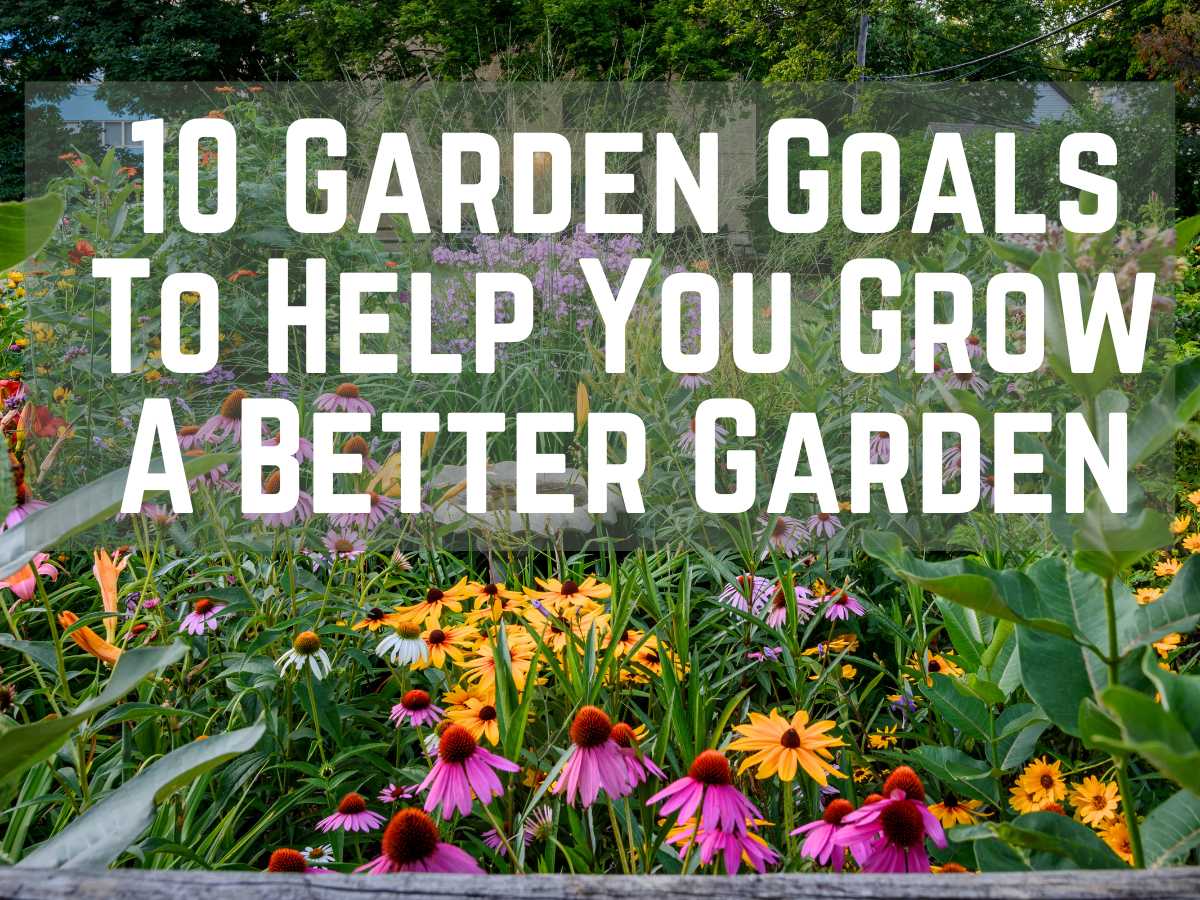
10 Gardening Goals To Help You Grow A Better Garden This Year
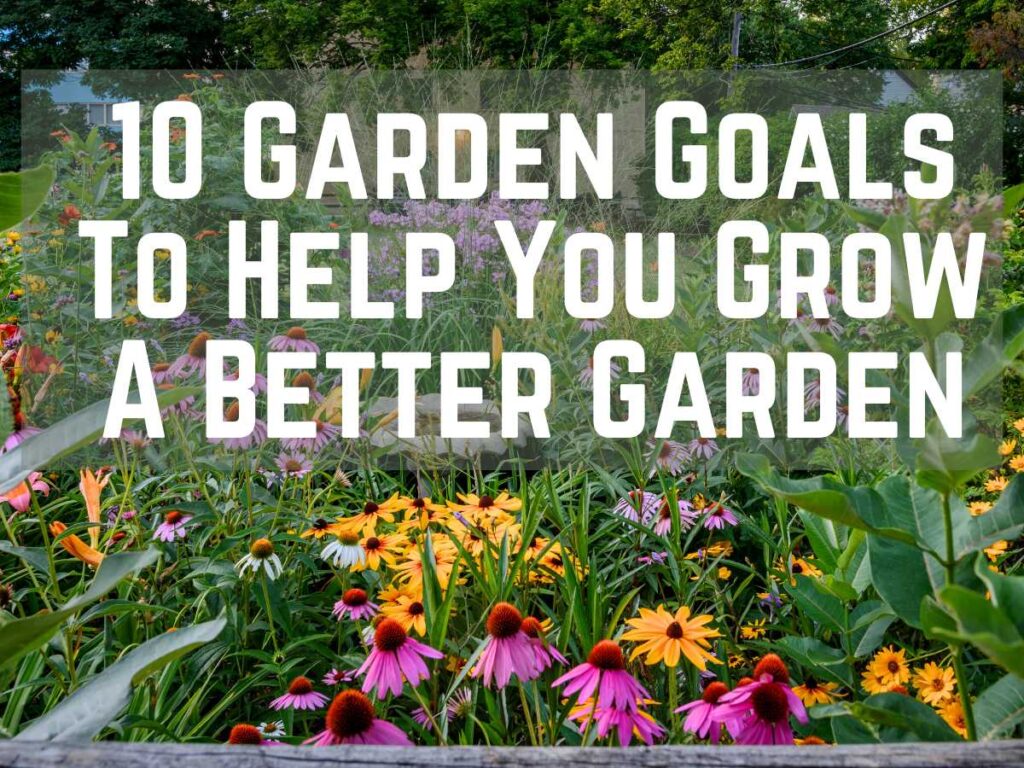
10 Gardening Goals To help You Grow A Better Garden in 2026
There’s something about the slower seasons of the year that naturally makes gardeners start thinking ahead. When the garden is quiet and we’re not rushing from task to task, it’s easier to step back and think about what we truly want from the coming growing season.
Setting a few clear gardening goals can make a big difference. Instead of feeling overwhelmed or trying to do everything at once, goals help you focus on what matters most for your space and your lifestyle. They give your garden direction and make it easier to enjoy the process rather than feeling behind all the time.
If you’d like help thinking through your own garden goals, my free Garden Planning Starter Kit includes a simple section that walks you through this step. It’s designed to help you plan with clarity, not pressure. Below, I’m sharing some practical gardening goals you can use to guide your season, whether you’re just getting started or refining what you already grow.
Goal 1: Decide What Matters Most in Your Garden This Year
One of the most helpful goals you can set as a gardener is also one of the hardest: deciding what not to do. It’s so easy to feel inspired by seed catalogs, social media, and everything you want your garden to become. But trying to do everything at once often leads to burnout instead of enjoyment. This is especially one of the most important gardening goals for beginners.
It’s where starting small really matters. Choosing one or two clear priorities for the season helps you focus your time and energy where it will make the biggest difference. Maybe your goal is to improve your soil, grow a handful of vegetables you know your family will eat, or add a few flowers that make your garden feel more inviting. Those are more than enough goals to start with.
When you give yourself permission to keep things simple, gardening becomes more manageable and much more enjoyable. You can always add more later as your confidence grows. Starting small isn’t a limitation. It’s how long-term, successful gardens are built.
Goal 2: Choose Plants That Fit Your Space and Conditions
One of the biggest ways gardeners set themselves up for success is by choosing plants that are truly suited to where they’re being planted. This sounds simple, but it’s something I see come up again and again when I visit homeowners’ gardens during the growing season.
I do garden consultations throughout the year, and in my area we have very high deer pressure. Because of that, I’m extremely careful about the plants I recommend, especially for open yards with a lot of deer traffic. It’s not that those plants aren’t beautiful or popular, it’s that they simply don’t stand a chance in certain spaces. Choosing plants that can actually handle the conditions they’re growing in makes gardening so much more enjoyable and far less frustrating.
This idea is often summed up as ‘right plant, right place’ which simply means choosing plants based on the light, soil, moisture, climate, and wildlife pressure where they’ll be planted. When those factors line up, plants grow better, look healthier, and require much less intervention from you.
Hostas are a great example of this. They’re extremely popular here in Michigan because they thrive in our cooler climate when planted in the right location. At my previous home, hostas had been planted in full sun. By midsummer every year, they were scorched and struggling. Once I moved them into a shaded area, they completely bounced back and looked beautiful. The plant wasn’t the problem, the placement was.
On the flip side, my brother-in-law took hostas from Michigan and planted them at his home in coastal North Carolina. Even in the shade, they struggled due to the intense heat and humidity. The conditions are simply different, and what works well in one region doesn’t always translate to another.
Setting a garden goal to choose plants that truly match your space can save you time, money, and disappointment. When plants are well suited to their environment, they’re healthier, easier to care for, and much more rewarding to grow.

Goal 3: Commit to Improving Your Soil
Healthy soil is one of the most important parts of a successful garden, even though it’s something we don’t always see. When soil is in good shape, plants grow stronger, handle stress better, and are more resistant to pests and diseases. Healthy soil also supports good root growth and helps plants use water and nutrients more efficiently.
The good news is that improving your soil doesn’t have to happen all at once. Soil health is a process, not a quick fix. Adding compost and using mulch are two simple ways to start building healthier soil over time. Each season, those small improvements add up and make a real difference in how your garden performs.
If improving your soil feels overwhelming, start where you are and take it one step at a time. Even small changes help. I’ve written a full post that walks through simple ways to improve your garden soil, whether you’re working with raised beds or in-ground beds. It’s a great resource if you want to learn a little bit more about how you can improve your own garden soil.
Setting a goal to work on your soil gradually creates a garden that becomes easier to care for and more productive year after year.
Goal 4: Keep a Simple Garden Journal
One of the easiest ways to grow as a gardener is to keep track of what you’re doing in the garden and how things respond. This doesn’t need to be detailed or time consuming. A simple garden journal helps you notice patterns, remember what worked well, and avoid repeating the same mistakes year after year.
Writing down what you planted, when you planted it, and how it performed gives you valuable information about your specific garden. Over time, those notes become one of the most useful resources you have. They help you make better decisions, adjust your timing, and feel more confident in your choices.
If you don’t already have a way to keep track of these things, my free Garden Planning Starter Kit includes space for setting goals as well as planning and jotting down notes throughout the season. It works as a simple garden planner, giving you an easy place to organize your thoughts without feeling overwhelming.
Keeping even brief notes can make gardening feel more intentional and much more manageable. It’s a small habit that pays off season after season.
Goal 5: Make a Realistic Plan for Seed Starting
Seed starting can be a lot of fun, and it’s a great skill to learn as a gardener. Growing plants from seed gives you more variety, saves money, and helps you understand your plants from the very beginning. That said, it’s important not to feel like you need to start everything from seed in order to be successful.
Starting seeds indoors takes time, attention, and space, often for weeks or even months. Some plants truly benefit from that head start, while others grow just fine when they’re planted directly outside once the weather warms up. Knowing the difference makes seed starting much more enjoyable.
A helpful approach is to look at your climate and decide which plants actually need extra time indoors. Tomatoes and peppers are good examples. They grow slowly at first and benefit from an early start. On the other hand, crops like beans, zucchini, sunflowers, and peas are easy to direct sow and don’t need to take up space inside your home.
If you’re new to seed starting, choosing a few easy, reliable seeds is a great place to begin. You can always add more as you gain confidence. Many gardeners grow a little more from seed each year, building skills gradually rather than all at once.
Seed starting should support your garden, not complicate it. A simple, thoughtful plan helps you enjoy the process and grow what works best for you.
Goal 6: Create an Easy, Repeatable Garden Routine
Gardening doesn’t require constant attention to be successful, but it does benefit from regular check-ins. One simple habit I often recommend is taking a slow walk through your garden every few days. This gives you a chance to see how your plants are growing, notice any changes early, and address small issues before they turn into bigger ones.
These walk-throughs are helpful for plants, but they’re also good for you. Spending a few minutes observing your garden can be grounding and calming, especially during busy seasons. You don’t need to fix anything during this time. Just noticing how things look and grow is often enough.
From there, a light routine helps keep gardening from feeling scattered. Knowing when to water, harvest, or check for pests makes care feel more manageable. You don’t need a strict schedule. A simple rhythm that repeats throughout the month is usually more than enough.
If having a guide helps you stay on track, I share monthly garden checklists that break down tasks by month and season. They give you a clear idea of what to focus on without feeling overwhelming, and they fit nicely into a relaxed routine like this.

Goal 7: Add Flowers for Beauty and Pollinators
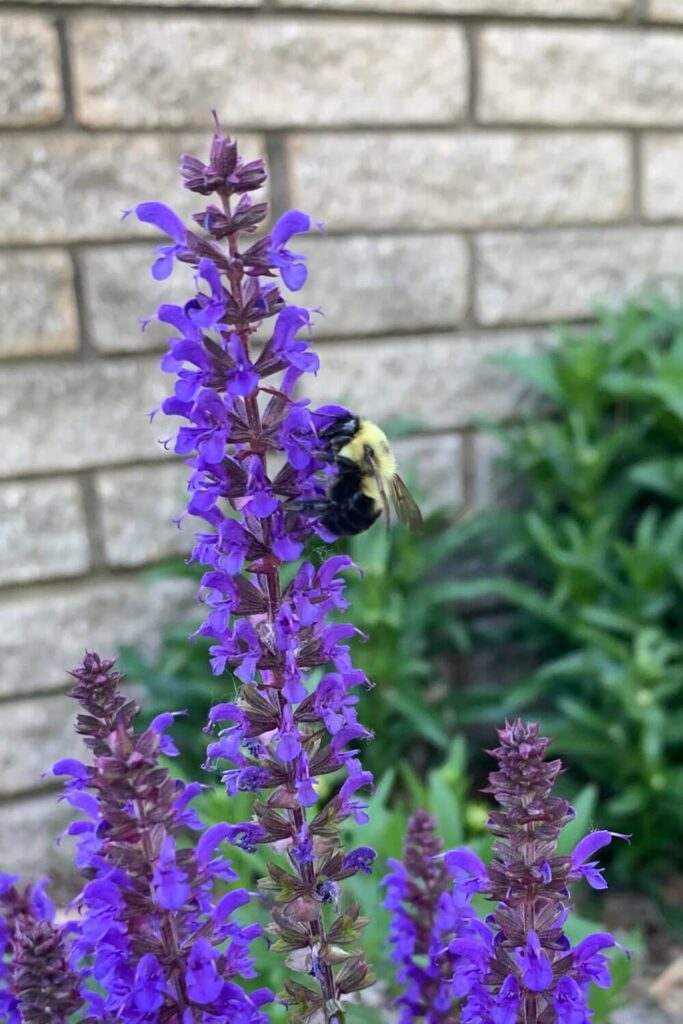
Flowers add so much life to a garden, but they do far more than make it look nice. Many fruiting vegetables, like tomatoes, squash, cucumbers, and peppers, depend on pollinators to produce well. Adding flowers gives bees, butterflies, and other beneficial insects a reason to visit your garden, which often leads to healthier plants and better harvests.
Native flowers are especially helpful because they’re naturally adapted to your climate and tend to attract a wide variety of pollinators. They’re usually low-maintenance, easy to grow, and thrive with very little extra care. Even adding just a few native plants can make a noticeable difference in how active your garden feels.
You don’t need anything complicated to get started. Simple, beginner-friendly flowers like zinnias, marigolds, cosmos, and sunflowers are easy to grow from seed and bring pollinators in quickly. Mixing flowers into raised beds, borders, or even a few containers can create a more inviting and productive garden.
Adding flowers is one of the simplest goals you can set for your garden, and it supports both beauty and function at the same time.
Goal 8: Learn One New Gardening Skill This Year
Gardening comes with a long list of things you can learn, but you don’t need to master everything at once. Choosing just one new skill to focus on each year keeps growth steady and enjoyable. It’s also a great way to build confidence without feeling pulled in too many directions.
Think about what you’re most interested in or excited to try. Maybe this is the year you learn how to start seeds indoors, prune your tomatoes with confidence, or get comfortable with composting. You might choose something simple, like learning how to fertilize your plants properly or understanding when different vegetables are ready to harvest. Any of these skills can make a noticeable difference in your garden.
When you choose one skill that genuinely interests you, learning becomes fun instead of overwhelming. You get to enjoy the process, see real progress, and add another tool to your gardening toolbox. Over time, these single skills build on each other and help you become a more experienced, confident gardener.
Goal 9: Keep the Garden Manageable
It’s easy to dream big in the garden. Most of us have a long list of ideas we want to try, and it’s natural to feel excited about what your space could become. But one of the most valuable goals you can set is to keep the size of your garden manageable, especially as your schedule and seasons of life change.
A few years ago, I decided to redo my entire yard at once. I had a clear vision in my mind for what I wanted, and I poured all my energy into bringing it to life. It was so fun creating the garden of my dreams! But what I didn’t consider at the time was how many hours each week it would take to maintain every garden bed I had added. I did all of this during the summer of 2020, when life was slower and everyone was home. But as the world opened back up and I found myself working outside the home more, it became difficult to keep up with the gardens I had built. Looking back, I wish I had allowed myself a slower, more steady growth.
A manageable garden doesn’t mean a small garden. It simply means creating a space you can care for comfortably, without feeling stretched thin. That might look like adding one new bed instead of three, choosing plants that require less attention, or giving yourself permission to scale back when you need to. A garden you can tend with ease will always be more productive, more enjoyable, and more sustainable than one that demands more time than you have.
Keeping your garden manageable is a goal that supports success in every season, no matter how much or how little space you’re working with.

Goal 10: Enjoy the Garden and Celebrate Progress
One of the best goals you can set for your garden is to enjoy it. Gardening isn’t only about what you harvest or how perfectly everything grows. It’s also about paying attention to the small moments that remind you why you started in the first place. A new seedling pushing through the soil, your first ripe tomato of the season, or the way your garden changes a little bit every time you look at it? These are all signs that you’re growing right alongside your plants.
When you take time to notice these moments, planning the next season becomes even more exciting. You start to see what you’d like to try again, what you want to improve, and what new ideas you’re ready to explore. Every season has something to teach you, and celebrating your progress helps those lessons feel encouraging rather than overwhelming.
Enjoying your garden isn’t a step you cross off a list. It’s a mindset that makes your planning more intentional and your gardening experience more rewarding. And the more you enjoy the process, the easier it becomes to look forward to the year ahead and all the possibilities waiting for you.
Final Thoughts
As you look ahead to a new season, remember that your garden doesn’t have to be perfect to be meaningful. Each goal you set, whether it’s improving your soil, choosing plants that fit your space, or learning one new skill, helps you grow a garden that feels more intentional, more enjoyable, and more connected to the way you want to live.
The beauty of gardening is that there is always something new to try and something new to look forward to. Planning your next season should feel exciting, not stressful. It’s a chance to build on what you’ve learned, explore new ideas, and create a space that brings you joy throughout the year.
If you’d like a little support as you plan, my free Garden Planning Starter Kit is a great place to begin. It walks you through setting goals, choosing plants, and organizing your ideas in a simple, beginner-friendly way. You can download it and start sketching out your garden as soon as inspiration strikes.
You may also find my Garden Planning for Beginners: How to Start a Garden Step-by-Step guide helpful. It walks through the entire planning process in more detail and pairs nicely with the starter kit if you prefer to read things through before putting pen to paper.
Here’s to a new season, new possibilities, and a garden you can’t wait to step into!

Hi, I’m Liz! I’m a Master Gardener, Garden Coach, and Professional gardener. I’m also a mom of 4 who likes to putz around in my garden, growing food and flowers. You can read more about me here.
I started Learn To Grow Gardens as a resource for anyone looking to find more success in the garden. You can find gardening help, inspiration, and community through my Facebook Group or by joining my email list below.