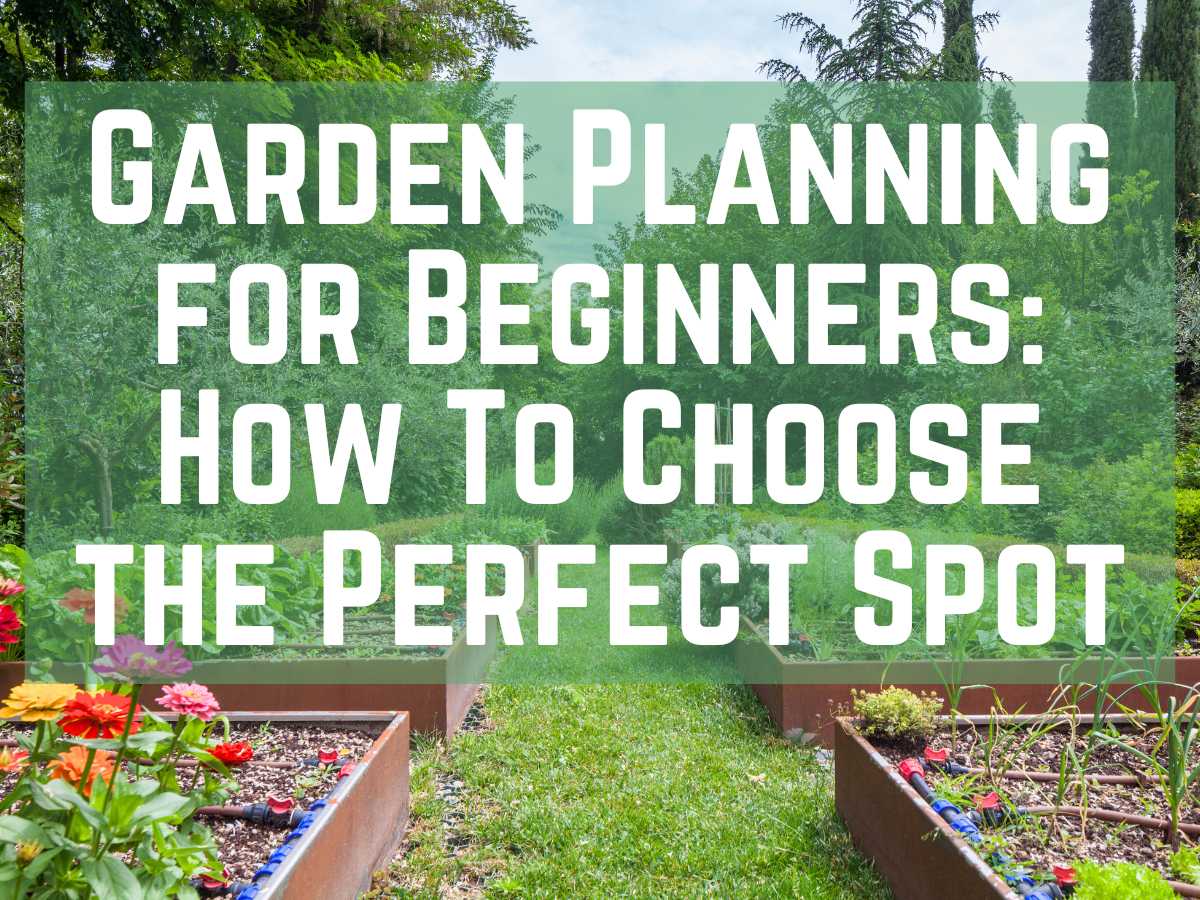
Best Location for a Garden: How To Choose the Perfect Spot
Garden Planning for Beginners: Choosing the Right Spot for Your Garden
One of the biggest questions I hear from beginner gardeners is, “Where should I put my garden?” It sounds simple, but choosing the wrong spot can lead to weak plants, low harvests, and a lot of frustration, even when you’re doing everything else right.
I just moved to a new home this past year and have been super excited to start adding vegetable and flower gardens again. At my previous house, things were pretty simple. The yard was wide open with very few trees, lots of sunshine, and good soil, so finding a spot for the garden was easy.
This new property is a little different. There’s quite a bit more shade, water runoff during heavy rain, and sandy soil in a lot of areas. Choosing a spot for my gardens isn’t nearly as straightforward as it was before.
As I’ve been walking the yard and thinking through where everything should go, I realized there are several factors I need to keep in mind this time around. And there are also a few unexpected lessons I learned at my previous home, some the hard way, that I’m glad to bring with me into this next garden.
So I thought I’d put together a list of things I’ve learned from my own gardens, along with what I’ve helped my garden coaching clients work through, to help you choose the best spot for your garden and start off on the right foot.
This post is part of my Garden Planning Series. Browse all garden planning posts here: Garden Planning Series
Why Garden Orientation Matters
It’s easy to think garden location isn’t that big of a deal. If you have an open spot in the yard, you can just plant there…right?
But where you place your garden has a huge impact on how well your plants grow and how much you enjoy gardening through the season.
I’ve seen gardeners do everything right. They water consistently, fertilize, and take good care of their plants, but the garden still struggles simply because it’s in the wrong spot. Not enough sun, poor drainage, or other location issues can hold plants back no matter how much effort you put in.
On the other hand, when your garden is in a good location, plants grow stronger, produce better, and gardening feels a whole lot easier and more rewarding.
Choosing the right spot from the start can save you a lot of frustration later and set you up for a much more successful season.
Step 1: Understand Sunlight Requirements
Sunlight is the number one factor when it comes to choosing where your garden should go. Most garden struggles I see come back to not getting enough sun.
Most vegetables need at least 6 to 8 hours of direct sunlight per day to grow well and produce the way we hope they will. Crops like tomatoes, peppers, cucumbers, and squash especially love full sun and really struggle without it.
Some plants, especially leafy greens like lettuce or spinach, can tolerate a little less sun and even appreciate some afternoon shade in the heat of summer. But in general, more sun almost always leads to better results in a vegetable garden.
It’s tempting to tuck a garden into whatever space is available, but if that area only gets a few hours of sunlight, plants are going to struggle no matter how much care you give them.
If you have to prioritize one thing when choosing your garden location, make it sunlight.

Step 2: Observe Sunlight in Your Yard
Once you know how important sunlight is, the next step is figuring out where the sun actually hits your yard throughout the day.
Areas that look sunny in the morning might be shaded by afternoon. Trees, houses, garages, and fences can block more light than we realize, especially once leaves fill in during spring and summer.
The best thing you can do is simply watch your yard for a few days. Notice where the sun is in the morning, midday, and late afternoon. Even better if you can pay attention on a weekend when you’re home more.
This is exactly what I ended up doing at our new house. The spot I originally pictured for the vegetable garden turned out to get far less sun than I thought. We have dozens of oak trees, and once I started watching how sunlight actually moved through the yard, I realized the sunniest spot was somewhere completely different. That’s where the vegetable garden is going now.
Taking a little time to observe sunlight before planting can save you from putting a garden in a spot that struggles all season.
Step 3: Choose Convenience Over Perfection
When we picture our gardens, we often imagine them tucked neatly out of the way somewhere in the yard. But in real life, the most successful gardens are usually the ones placed where they’re easy to get to.
The closer your garden is to the house, the more attention it naturally gets. You notice when plants need water, you catch pest or disease problems earlier, and it’s much easier to step outside and harvest something for dinner.
When a garden is far away or inconvenient to reach, it’s easy to skip quick checks or put off small tasks, and those little delays can turn into bigger problems over the season.
Convenience might not seem important when you’re planning in the winter, but once summer heat, busy schedules, and mosquitoes show up, you’ll be glad your garden is easy to reach.
Step 4: Make Sure Water Is Easy to Reach
One lesson I learned the hard way at my previous house was how important water access really is.
I placed my raised beds along the back of the property line, thinking it kept things nicely out of the way and left the rest of the yard open. What I didn’t think about was how far that was from the house every single time I needed to water.
Dragging a hose all the way across the yard gets old fast, especially in the heat of summer when gardens need water the most. And when watering feels like a chore, it’s easy to start putting it off and your plants suffer.
Having your garden within easy reach of a hose or irrigation setup makes a huge difference. It makes quick watering easier, helps you stay consistent, and saves a lot of frustration over the season.
If you’re deciding between two spots and one is closer to water, that one will usually make your life easier in the long run.
Related: How To Water Your Garden the Right Way For Healthier Plants

Step 5: Pay Attention to Drainage and Wet Areas
Another thing to pay attention to when choosing a garden location is how water moves through your yard.
At our new house this past summer, we had pouring rain when the ground was already saturated from previous storms. Our house sits on a hill, and all the water from neighbors on higher ground flowed into our yard and down the slope. For a while, we had a stream running through part of the yard.
And of course, that temporary stream flowed right through one of the spots I had been considering for the garden.
That experience quickly crossed that location off my list. Gardens don’t do well in areas where water regularly collects or flows through. Too much water can drown roots, wash away soil, and damage young plants.
If you notice spots in your yard that stay soggy after rain or collect runoff, those areas are usually better avoided for vegetable gardens. Raised beds can sometimes help in wet areas, but it’s still best to start with a location that drains reasonably well if you can.
Watching what happens in your yard after heavy rain can tell you a lot about which areas are good candidates for a garden and which ones are not.
Step 6: Consider Wind and Protection
Wind is something we don’t always think about when planning a garden, but it can have a bigger impact than many people expect.
Strong winds can dry soil out faster, whip around young plants, and even break stems or knock taller plants over as they grow. Constant wind can also stress plants, slowing their growth and reducing production.
At the same time, gardens still need good airflow. Areas that are completely enclosed can trap humidity, which can lead to disease problems later in the season.
The ideal spot offers a little protection from strong winds without being totally blocked off. Fences, shrubs, or nearby structures can help break heavy wind while still allowing air to move through the garden.
If your yard is especially windy, this is something worth keeping in mind as you narrow down your garden location.
Step 7: Start Small and Leave Room to Grow
It’s really tempting to go big right away, especially when you’re excited about gardening and full of ideas. But starting smaller than you think you need is usually the better choice.
In the summer of 2020, when everyone was home all the time, I went all in on my yard. I created a huge garden and spent the entire summer reworking every corner of the space. It was fun, and at the time I had the hours to keep up with it.
But a year later, life changed and I started working away from home more. Suddenly that dream garden turned into a lot of upkeep, and instead of being relaxing, it started to feel stressful trying to keep everything maintained.
Gardens grow fast, and so do the chores that come with them. Weeding, watering, harvesting, pruning, and maintaining beds all take time, especially in the middle of summer.
Starting with a manageable space makes gardening more enjoyable and helps you build confidence. You can always add more beds or expand later once you know how much space and upkeep realistically fits into your life.
Most gardeners eventually grow their gardens over time anyway. There’s no rush to do it all in the first season.
Quick Garden Location Checklist
If you’re still deciding where your garden should go, here’s a quick checklist you can use as you look around your yard:
- Gets at least 6 to 8 hours of direct sunlight per day
- Easy to reach and convenient to check on daily
- Close to a water source or easy to reach with a hose
- Drains well and doesn’t stay soggy after rain
- Not in the path of heavy water runoff
- Has some protection from strong winds
- Fits the amount of time and upkeep you realistically have
If a spot checks most of these boxes, you’re probably looking at a good place to start your garden.
Common Garden Location Mistakes to Avoid
There are a few garden location mistakes I see beginners make all the time, and avoiding them from the start can save you a lot of frustration.
One of the biggest mistakes is choosing a spot with too much shade. A garden might look bright in early spring before trees leaf out, but once summer arrives, that same spot can end up getting far less sun than expected.
Another common mistake is putting the garden too far away from the house. It seems like a good idea at first to keep things out of the way, but gardens that are harder to reach often end up getting less attention, especially during busy parts of the season.
And finally, many new gardeners start bigger than they can realistically maintain. Gardening should be enjoyable, not another overwhelming chore on your to-do list.
A little extra thought at the beginning can prevent a lot of disappointment later and help your garden feel like something you enjoy instead of something you’re constantly trying to catch up with.
Final Thoughts
Choosing the best spot for your garden might take a little extra thought in the beginning, but it makes such a difference once the season gets going.
When your garden gets enough sunlight, drains well, and is placed somewhere convenient to reach, everything becomes easier. Plants grow better, problems are easier to catch early, and gardening feels a lot more enjoyable instead of frustrating.
If you’re still in the planning stage, take a little time to walk your yard, watch where the sun hits, and notice how water moves after a heavy rain. A little observation now can save you from having to move a garden later.
This post is part of my Garden Planning Series, where I walk you step-by-step through planning a garden from start to finish.
You can explore all of the garden planning articles here: Garden Planning Series
If you’d like extra guidance, be sure to download my free Garden Planning Starter Kit, which walks you through the entire planning process in a simple, beginner-friendly way.
Further Reading:
- How To Plan Your Garden Step by Step
- 10 Garden Goals To Help You Grow A Better Garden
- The Best Free Printable Garden Planner
- Garden Soil Prep: How To Improve Soil Quality Before Planting

Hi, I’m Liz! I’m a Master Gardener, Garden Coach, and Professional gardener. I’m also a mom of 4 who likes to putz around in my garden, growing food and flowers. You can read more about me here.
I started Learn To Grow Gardens as a resource for anyone looking to find more success in the garden. You can find gardening help, inspiration, and community through my Facebook Group or by joining my email list below.