
December Garden Tasks: What To Do in the Garden This Month
December Gardening Tasks and Free Garden Printable Checklist
This post is part of my Month by Month Gardening Guide, a monthly gardening checklist series that helps you stay on top of your garden all year long. Each guide walks you through exactly what to do in the garden that month, from planting and pruning to soil care and seasonal maintenance. You can check out each monthly gardening guide here.
If you missed last month’s guide, check out November Garden Tasks, and when you’re ready, move ahead to January Garden Tasks to stay one step ahead.
And don’t forget to grab this month’s printable Monthly Gardening Checklist to add to your garden planner!

December Gardening
December brings a slower pace to the garden. The major cleanup is finished, most plants are tucked in for winter, and it finally feels like a time to pause. Still, a few small tasks this month can help protect your garden and set you up for a smooth start next spring.
It’s also the perfect time to slow down and reflect. To flip through notes, dream about next season’s plans, and enjoy the peace that winter brings to your garden. Even when the garden is quiet, there’s satisfaction in caring for it, and the work you do now will make things easier once the weather begins to warm again.
I’m one of those gardeners that thinks about gardening all year long, even in December! If you’re anything like me, tasks like the ones you’ll find below help to keep our green thumbs from itching during the long winters.
General Maintenance
Even though most of the garden is resting, there are still a few things worth checking off your list this month. These small maintenance tasks help protect your space and keep everything in good condition until spring.
Start by checking and cleaning your tools if you haven’t already. Wipe off any remaining soil, sharpen blades, and lightly oil metal parts to prevent rust. Properly stored tools will be ready to go when planting season arrives.
If you use clay or terracotta pots, make sure they’re emptied, cleaned, and stored somewhere dry. Moisture and freezing temperatures can cause them to crack, so bring them into a shed, garage, or basement for the winter.
Take a walk around your garden structures, too. Look for loose boards, leaning trellises, or damaged fencing that might need repair before spring. Fixing small issues now can prevent larger problems later.
Finally, check your hoses and rain barrels. Drain any remaining water and disconnect hoses so they don’t freeze and split. Turn off outdoor spigots if possible. If you use a rain barrel, empty it and turn it upside down or cover the opening to keep out debris.

Soil and Compost Care
December is a good month to give your soil a little attention before everything freezes solid. Healthy soil is the foundation of a thriving garden, and a few small steps now will make planting easier when spring arrives.
If your compost pile is still active, turn or aerate it one last time before the cold sets in. This helps mix materials, adds oxygen, and speeds up decomposition. Add a layer of shredded leaves or straw on top to insulate the pile and keep moisture in. If your compost is already frozen, that’s fine. Just pile new material on top, and it will break down once temperatures rise again.
You can also add a layer of compost or leaf mold over your garden beds this month. Over winter, it will slowly break down and enrich the soil with nutrients. It’s an easy way to feed your soil naturally and protect it from erosion.
If you collect kitchen scraps, keep adding them to your compost bin throughout winter. Fruit and vegetable peels, coffee grounds, and eggshells all provide valuable organic matter. Just avoid meat, dairy, and oily foods, which can attract pests.
Covering your compost pile with a layer of leaves can also help it hold warmth and prevent it from getting too soggy from rain or snow.
Perennials, Shrubs, and Trees
By December in the garden, most perennials and shrubs are dormant, but they still benefit from a quick check to make sure they’re well protected for winter.
Walk through your garden and look for any areas where mulch has blown away. Add more around perennials, shrubs, and young trees to keep roots insulated and prevent damage from freeze-and-thaw cycles. Keep mulch pulled back a few inches from plant crowns and trunks to avoid rot and rodent problems.
If you live in an area that gets heavy snow, gently brush snow off evergreen branches before it accumulates too much. The weight of wet snow can cause branches to bend or break. Avoid shaking frozen branches, though. They can snap easily.
On mild winter days, water evergreens if the ground isn’t frozen and there’s been little precipitation. Winter drought can be just as damaging as summer heat.
If you’ve planted new trees or shrubs this year, now’s a good time to add tree guards or hardware cloth around the base. This helps protect bark from rabbits and other animals looking for food in winter.
These small steps will help your perennials and woody plants come through winter strong and ready to grow once spring returns.
Indoor and Overwintering Plants
While the outdoor garden sleeps, your focus shifts indoors. This is a great time to check on any plants you’ve brought inside or are storing for winter.
Start by looking over houseplants and overwintering bulbs or tubers. Make sure they aren’t too dry or sitting in soggy soil, and remove any yellowing leaves to prevent pests. Plants need less water during winter, so let the soil dry slightly between waterings.
If you’re storing dahlia tubers, canna rhizomes, or other tender bulbs, check them every few weeks for signs of mold or shriveling. If they look dry, a light misting will keep them from dehydrating; if you spot any decay, remove the affected sections before it spreads.
Houseplants will appreciate a little extra care this month, too. Rotate them for even light exposure, and wipe dust from leaves so they can absorb light more efficiently. Keep them away from heat vents and drafty windows. Check out this post more specifics on how to care for your houseplants through winter.
If you’re craving a little green in the middle of winter, force a few bulbs indoors. Amaryllis, paperwhites, or hyacinths bring color and life to your home while you wait for spring.

What to Plant in December
Even though the outdoor garden is quiet, you can still enjoy fresh growth inside your home. December is the perfect time to start small indoor gardening projects that keep your green thumb busy and add some life to your space.
If you enjoy growing food year-round, try growing microgreens or baby greens indoors. They grow quickly, usually within two to three weeks, and are packed with nutrients. You can grow them on a sunny windowsill or under a simple grow light. Check out my guide to growing microgreens indoors here.
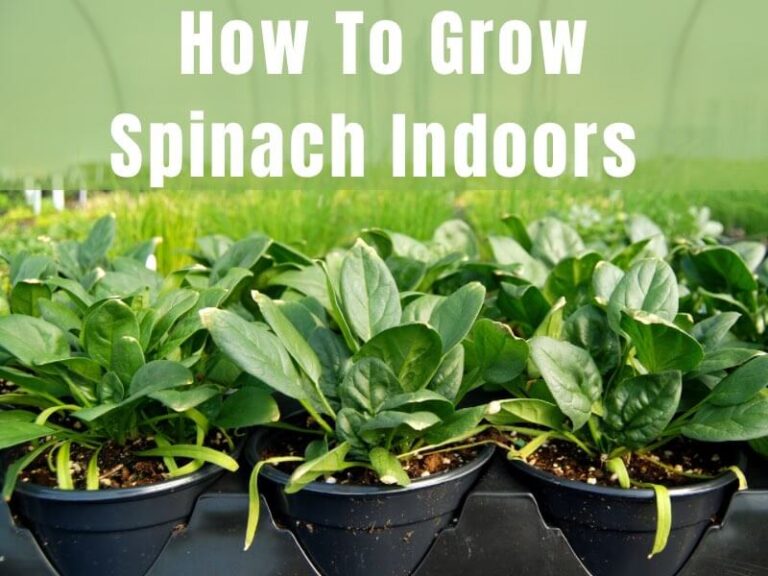
Spinach, lettuce, and herbs like basil, chives, and parsley also do well indoors in winter. Choose compact varieties, use good-quality potting mix, and keep them near a bright south-facing window or under grow lights for steady growth. You can learn more about growing spinach indoors here.
If you prefer houseplants, December is a great month to add a few easy, nontoxic varieties to brighten up your home. Plants like spider plants, Boston ferns, and parlor palms are safe for homes with pets and help freshen the air. For a list of nontoxic indoor plants, visit this post.
You can also start forcing bulbs like amaryllis, hyacinths, and paperwhites if you haven’t already. Their blooms add color and fragrance right when you need it most.
These small indoor projects are perfect for staying connected to your garden through the winter and help keep your gardening routine alive even when it’s cold outside.
Planning Ahead
With the garden resting, December is one of the best times to plan for next year. It’s quiet enough to think clearly about what worked well, what didn’t, and what you’d like to change.
Start by looking over your garden notes or photos from this year. Think about which plants thrived and which ones struggled, and jot down ideas for improving spacing, soil, or sunlight next season. It’s easy to forget these details by spring, so recording them now will save you time later.
This is also a good time to organize your seeds and supplies. Sort through what you have, note expiration dates, and make a list of what you need to order. Seed companies start releasing their new catalogs in winter, and ordering early gives you the best selection.
If you like to sketch out your garden, grab your planner or notebook and start mapping ideas for new beds, layouts, or crop rotations. You don’t need to make big changes. Even small improvements can make your garden more enjoyable and productive.
Use this quiet season to dream, plan, and prepare so that when spring arrives, you’re ready to dive in with fresh ideas and a clear direction.
Wildlife and Winter Interest
Despite the cold, the garden in December can stay full of life. While most plants are dormant, there’s still plenty happening outdoors, especially if you take a few steps to support the wildlife that visits your garden through winter.
Start by keeping bird feeders clean and filled. Offer a mix of seeds and suet to help birds maintain their energy through the cold months. If temperatures drop below freezing, set out fresh water daily or use a heated birdbath so they have access to drinking water.
You can also leave some seed heads and ornamental grasses standing through the season. They provide both food and shelter for birds and small animals, while adding texture and interest to your winter garden.
To read more about caring for birds in winter, check out this post about how to help birds survive the winter. The post is written by my daughter, Aimee, over on her bird watching blog ‘Great Lakes Wildlife Journal.’
This is a great time to take note of what brings color or structure to your landscape – berries on hollies, red-twig dogwood branches, or evergreen foliage. These details brighten the garden now and help you plan what to plant next year for more year-round beauty.
Wrapping Up the Year
December is a natural time to pause and look back on your gardening year. Take a few minutes to think about what went well, what you’d like to improve, and what you’re most proud of. These reflections will guide your plans and make next year’s garden even better.
Once you’ve made your notes and checked off your final tasks, give yourself permission to rest. The garden is quiet for a reason…everything, including the gardener, needs a season to recharge.
Use this time to enjoy the beauty of winter, dream up new ideas, and take pride in how much you’ve learned and accomplished this year. Before long, the days will grow longer again, and another gardening season will begin.
This post is part of my Seasonal Gardening Roadmap, a complete year-round system that helps you know exactly what to do in your garden each month.
Next up, head to January Garden Tasks for your next set of seasonal to-dos — or go back to November Garden Tasks if you missed it.
Want to keep going?
You can follow the full Month by Month Gardening Roadmap to stay organized all year long. Each monthly guide includes a free printable checklist and clear steps to help you know exactly what to do in your garden every season.
Be sure to check out these other gardening posts for seasoned and beginner gardeners alike:
- The Ultimate Guide to Fall Gardening
- How To Plant Garlic in the Fall
- October Garden Tasks
- January Garden Tasks
- Winter Garden Activities

Hi, I’m Liz! I’m a Master Gardener, Garden Coach, and Professional gardener. I’m also a mom of 4 who likes to putz around in my garden, growing food and flowers. You can read more about me here.
I started Learn To Grow Gardens as a resource for anyone looking to find more success in the garden. You can find gardening help, inspiration, and community through my Facebook Group or by joining my email list below.