
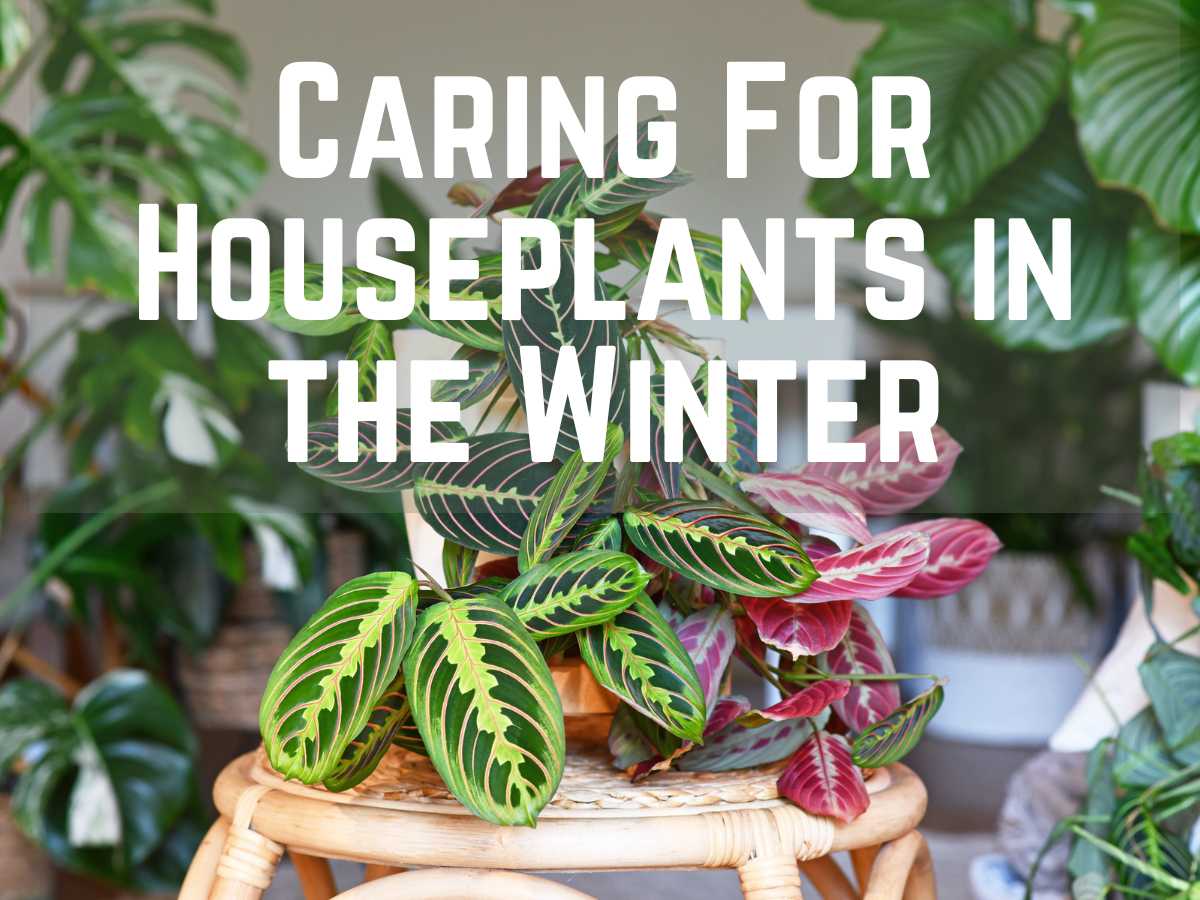
Caring For Houseplants in the Winter: Simple Tips For Indoor Plant Care
Caring For Houseplants in the Winter

If you’re like me, your houseplants aren’t just plants…they’re part of the family! But as winter settles in, you might notice your plants aren’t looking as perky as they did during the warmer months. Shorter days, dry indoor air, and fluctuating temperatures can make caring for plants in winter a little tricky. The good news? With just a few small adjustments and a little TLC, your houseplants in the winter can not only survive but thrive throughout the season!
This post may contain affiliate links. You can read my full policy here.
In this post, we’ll cover everything you need to know about indoor plant care during winter:
- How to adjust your watering routine.
- The best ways to provide adequate light.
- Tips for boosting humidity and preventing pests.
- When (and if) to repot or prune.
- How to successfully bring outdoor plants indoors for the winter.
Whether you’re a beginner or a seasoned plant parent, these tips will help you keep your houseplants happy and healthy all season long.
How To Water Houseplants in Winter (Without Overwatering)
One of the most common mistakes people make with houseplants in the winter is overwatering. It’s natural to think your plants need the same amount of water all year, but caring for plants in winter means recognizing that they grow more slowly and need less water. Overwatering can lead to yellowing leaves, mushy stems, and even root rot, so it’s always better to err on the side of caution.
So, how often should you water indoor plants in winter? There’s no one-size-fits-all answer, but the key is to check the soil. The simplest way is to stick your finger about an inch into the soil…if it feels dry, it’s time to water. If it’s still damp, wait a few more days.
My favorite tool to check moisture in the soil is a hydrometer. This handy gadget measures the moisture level in your plant’s soil, taking all the guesswork out of watering. I absolutely love using it because it gives me confidence that I’m watering at the right time. And honestly, it’s fun to use! I have this one and I love it.
Here’s a simple tip: water thoroughly but less frequently. When you do water, make sure excess water can drain out of the pot to avoid soggy roots. Many houseplants in the winter thrive with watering every 1-2 weeks, but every plant is different, so always check the soil first.
By adjusting your watering habits, you’ll set your plants up for success all winter long.
How To Keep Indoor Plants Alive in Winter With Low Light
Winter can be tough on plants with shorter days and less sunlight, but your indoor plants don’t have to suffer! To keep your houseplants happy, it’s all about finding the right light and making a few adjustments.
Start by finding the brightest spots in your home. South-facing windows are perfect, but east or west-facing windows can work in a pinch. Position your plants as close to the window as possible, without touching the glass, to maximize the light they receive but be sure to keep them out of direct sunlight.
If natural light is in short supply, grow lights are a great option. These are especially helpful for plants that struggle with lower light levels during winter. A simple clip-on grow light can make a big difference in your indoor plant care during winter, especially for tropical plants or succulents. Just be sure to position the light 6-12 inches above your plants and use it for 12-16 hours a day to mimic the sun’s natural cycle. We have this one, and I love that the arms are adjustable.
Don’t forget to rotate your plants every week so they grow evenly. I give each of my plants a ¼ turn clockwise every time I water. This helps them grow fuller and more evenly.

How To Keep Indoor Plants Warm and Humid in Winter
Indoor heating may keep you cozy in winter, but it’s not a friend of houseplants. The dry air can leave your plants looking dried out and stressed, especially if they’re tropical varieties. Luckily, there are a few simple ways to keep the humidity levels just right.
One of the easiest methods is grouping your plants together. This creates a mini microclimate where moisture from one plant helps the others. Another trick for indoor plant care during winter is placing a tray of water with pebbles under your pots. Just make sure the pots themselves aren’t sitting in the water. If you want to go all out, a small humidifier near your plants can make a world of difference, especially for ferns or calatheas.
I also like to mist my plants on occasion with a spray bottle, especially if the heat has been running more than normal. I just use a cheap spray bottle from Target and set it so the spray is a mist, but if you’d like to get fancy, this mister is pretty.
Keep an eye on your plants in winter and watch for signs your plants need more humidity: browning tips, curling leaves, or leaves that feel brittle are all red flags. Simply keeping an eye on things can help you prevent issues before they become bigger problems.
By keeping humidity in check, you’ll help your house plants stay healthy and happy through the colder months.
Should You Fertilize Houseplants in Winter?
When it comes to caring for plants in winter, less is definitely more, especially when it comes to fertilizer. During the colder months, most houseplants slow down their growth or go completely dormant. Feeding them the same way you would in spring or summer can do more harm than good.
If your plants aren’t actively growing, it’s best to hold off on fertilizing until things warm up. Adding fertilizer during their rest period can lead to salt buildup in the soil, which may damage the roots.
However, if you have plants that are still putting out new leaves (looking at you, pothos and spider plants!), you can give them a light dose of fertilizer once a month. Be sure to dilute it to half strength to avoid overwhelming them. You can also switch to a compost tea based fertilizer, which is mild enough for weekly use. I still cut back on the amount I use in the winter by half, adding it to my watering can every other week.
By paying attention to your plants’ growth patterns and adjusting your feeding schedule, you’ll give your winter plants exactly what they need. No more, no less.
How To Protect Houseplants From Cold Drafts in Winter
Houseplants are like us – they love a cozy, stable environment. But in winter, they’re often exposed to chilly drafts, dry heat from vents, and fluctuating temperatures that can stress them out. Winter houseplant care requires finding the perfect balance to keep your plants comfortable.
Most houseplants thrive in temperatures between 65-75°F during the day and no lower than 50°F at night. To protect your winter plants, keep them away from drafty windows and doors, as well as heating vents or radiators that can dry them out. If you notice leaves wilting, browning, or dropping, temperature fluctuations could be the culprit.
A helpful tip: If you have plants near a window, make sure their leaves don’t touch the cold glass, as this can cause frost damage. Using curtains or blinds at night can help insulate plants from the chill. Plants should also be kept away from exterior doors, where cold air from the outside can reach them.
By keeping an eye on their environment and addressing temperature-related issues, you’ll help your plants stay happy and healthy throughout the season.
Bringing Plants Indoors for Winter: Step by Step Guide
If you’ve been keeping plants outside all summer, bring them in before the temperatures drop too low. For my area in southeastern Michigan, this means my plants come inside in September, before the nighttime temperatures drop below 60*. Bringing plants indoors for winter can be a smooth process with a little preparation.
Start by inspecting your plants for pests. Look under leaves, around stems, and in the soil for any signs of bugs or eggs. If you spot any unwanted guests, treat them with a natural pest spray or wipe them off before moving the plant inside. This extra step helps prevent pests from spreading to your other indoor plants.
Next, gradually acclimate your plants to indoor conditions. Moving them straight from the warm, bright outdoors to the cool, lower light indoors can be a shock. Place them in a shadier spot outside for a week or two, then bring them inside. Once indoors, find a spot with as much natural light as possible to mimic their outdoor environment.
Clean the leaves and pots before bringing your plants in, especially if they’ve gathered dust or dirt over the summer. This not only helps the plant but also keeps your home tidy. For larger plants, consider wiping down their leaves with a damp cloth to remove debris, or rinsing with a hose and allow them to dry thoroughly.
After the move, keep an eye on your plants. It’s normal for them to lose a few leaves as they adjust, but with proper care, they’ll bounce back quickly. And don’t forget to get creative if you’re running out of space. Grouping plants together can create a beautiful indoor garden display!
With these steps, bringing plants indoors for winter can help them stay happy and healthy until warmer weather returns.
How To Clean Houseplant Leaves in Winter
When it comes to caring for plants in winter, it’s easy to overlook one simple yet important task: keeping the leaves clean. Dust can quickly build up on your plants, blocking sunlight and making it harder for them to photosynthesize. A quick cleaning session can make all the difference for their health and appearance.
For an easy cleaning method, try putting your plants in the bathtub or shower and giving them a gentle spray with cool water. This works especially well for plants with lots of small leaves, like ferns or pothos, that are harder to clean individually. Make sure the water pressure is low to avoid damaging the foliage, and let the plants air dry completely before moving them back to their usual spots.
For plants with larger leaves, use a damp cloth or sponge to gently wipe down each leaf. Support the leaf with one hand while wiping with the other to avoid tearing or bending delicate foliage.
Regular cleaning not only keeps your plants looking their best but also helps you spot potential pest problems early. Look for tiny webs, sticky residue, or discolored spots on the leaves. These are all signs of trouble that can be addressed before they escalate.
Dusting and cleaning aren’t just about looks. It’s about giving your plants the best chance to thrive, pest and disease free. Set aside time every couple of weeks to clean your leaves, and your winter plants will thank you by looking happy and healthy all season long.

Can You Repot Houseplants in Winter? When It’s Okay and When To Wait
When it comes to caring for plants in winter, less is often more, including tasks like repotting and pruning. Winter is not the best time to repot your houseplants since most of them are resting and not actively growing. Repotting during this period can stress your plants, but there are a few exceptions.
If a plant is severely root-bound (you’ll notice roots growing out of the drainage holes or circling the pot), it’s okay to repot it, but be gentle. Use fresh soil and only move it to a pot that’s one size larger to minimize shock.
Pruning, on the other hand, can be helpful for your indoor plants if done properly. Removing dead or damaged leaves to encourage your plant to direct its energy to healthy growth. To prune, use clean, sharp scissors or pruning shears to avoid spreading disease. If you notice yellowing leaves, don’t panic! It’s normal for some plants to shed a few leaves as they adjust to winter conditions.
By holding off on repotting unless absolutely necessary and pruning only as needed, you’ll help your houseplants conserve their energy and stay healthy through the colder months.
How To Prevent Houseplant Pests in Winter
Winter may seem like a time when pests take a break, but the truth is they can thrive indoors during this season. Dry air, lower light levels, and poor airflow can create the perfect environment for common pests like spider mites, fungus gnats, and mealybugs to attack your indoor plants.
The first step to effective pest prevention is regular inspection. Check under leaves, around stems, and in the soil every couple of weeks. Look for tiny webs, sticky residue, or small bugs crawling on your plants. Catching an infestation early can make all the difference.
If you spot pests, there are plenty of natural solutions to try. Wiping down leaves with a damp cloth or spraying them with a mixture of water and mild dish soap is a good first step. Neem oil is another great option. It’s effective against many pests and is safe for most plants. For severe infestations, insecticidal soap can help eliminate pests quickly.
It’s important to avoid overwatering, as soggy soil can attract fungus gnats. Let the top layer of soil dry out between waterings (or use a hydrometer and only water when soil is dry) and use sticky traps to catch adult gnats before they can lay eggs. Proper airflow also helps. Use a small fan near your plants can keep the air moving and discourage pests from settling in.
Final Thoughts on Winter Houseplant Care
Caring for plants in winter doesn’t have to be complicated. By adjusting your watering habits, providing adequate light, increasing humidity, and keeping an eye on pests, your houseplants in the winter can thrive no matter how cold or dark it gets outside.
Remember, every plant is unique, so pay attention to their individual needs and make small adjustments as you go. Whether it’s cleaning their leaves, rotating them for even light, or finding the perfect spot to keep them cozy, these little efforts go a long way.
I hope these tips help make your indoor plant care during winter a breeze. If you have any questions or tips of your own, I’d love to hear them! Share your thoughts in the comments or reach out. I’m always happy to chat about plants! You can also join my facebook community, where we talk plants, offer tips and advice, and have lots of plant-related fun. We’d love to have you!
You may also like:
- Non Toxic House Plants: 30+ Indoor Plants Safe For Kids & Pets
- The Best Water For Plants: Full guide to watering houseplants
- Winter Garden Activities: Stay connected to the garden, all winter long
- Winter Sowing: The hands free, easiest way to starts seeds
- Month by Month Gardening Guide: A complete list of what to d in the garden, every month of the year

Hi, I’m Liz! I’m a Master Gardener, Garden Coach, and Professional gardener. I’m also a mom of 4 who likes to putz around in my garden, growing food and flowers. You can read more about me here.
I started Learn To Grow Gardens as a resource for anyone looking to find more success in the garden. You can find gardening help, inspiration, and community through my Facebook Group or by joining my email list below.

As an Amazon Associate, I earn from qualifying purchases.